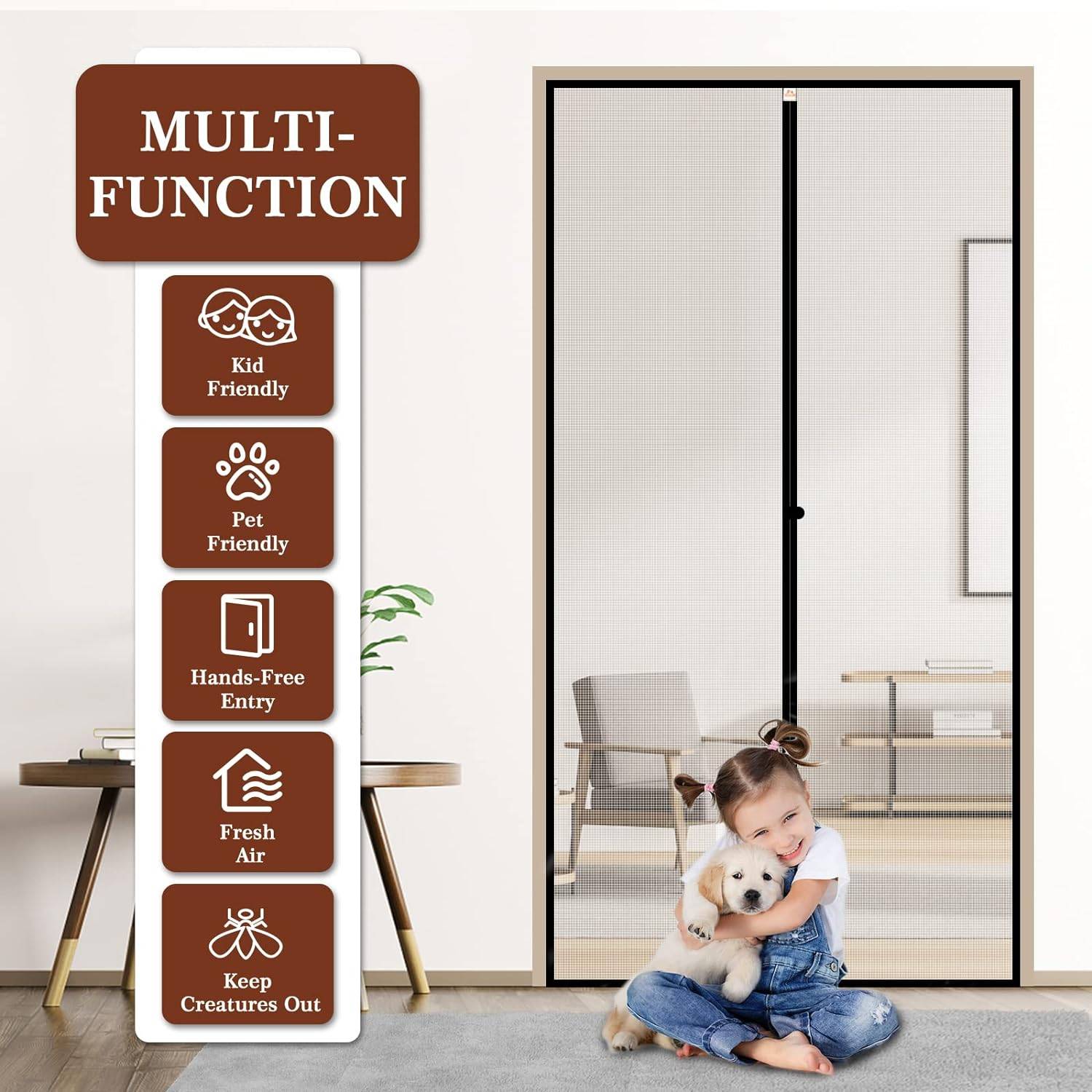
The Easiest & Most Affordable Solution For DIY Door Screens
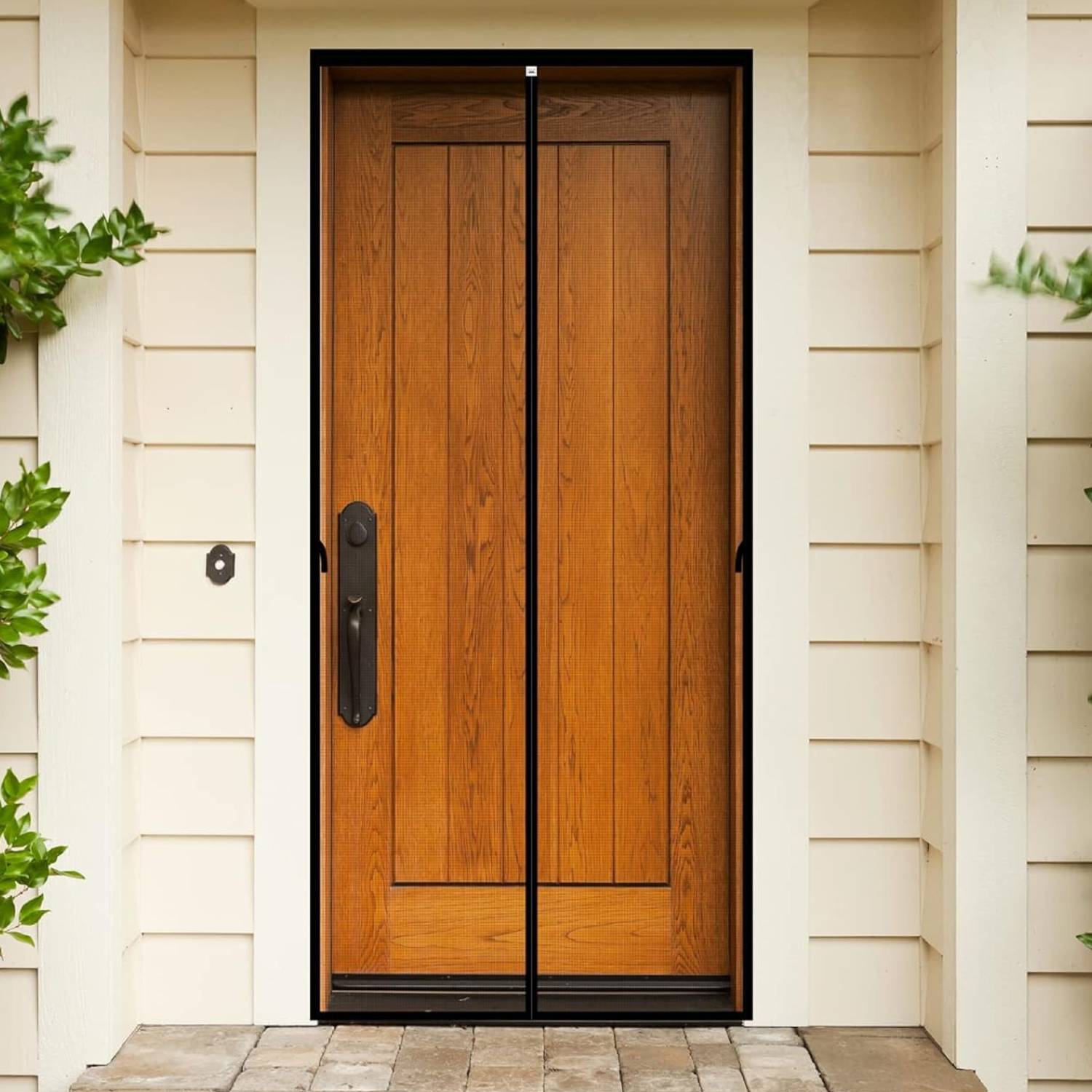
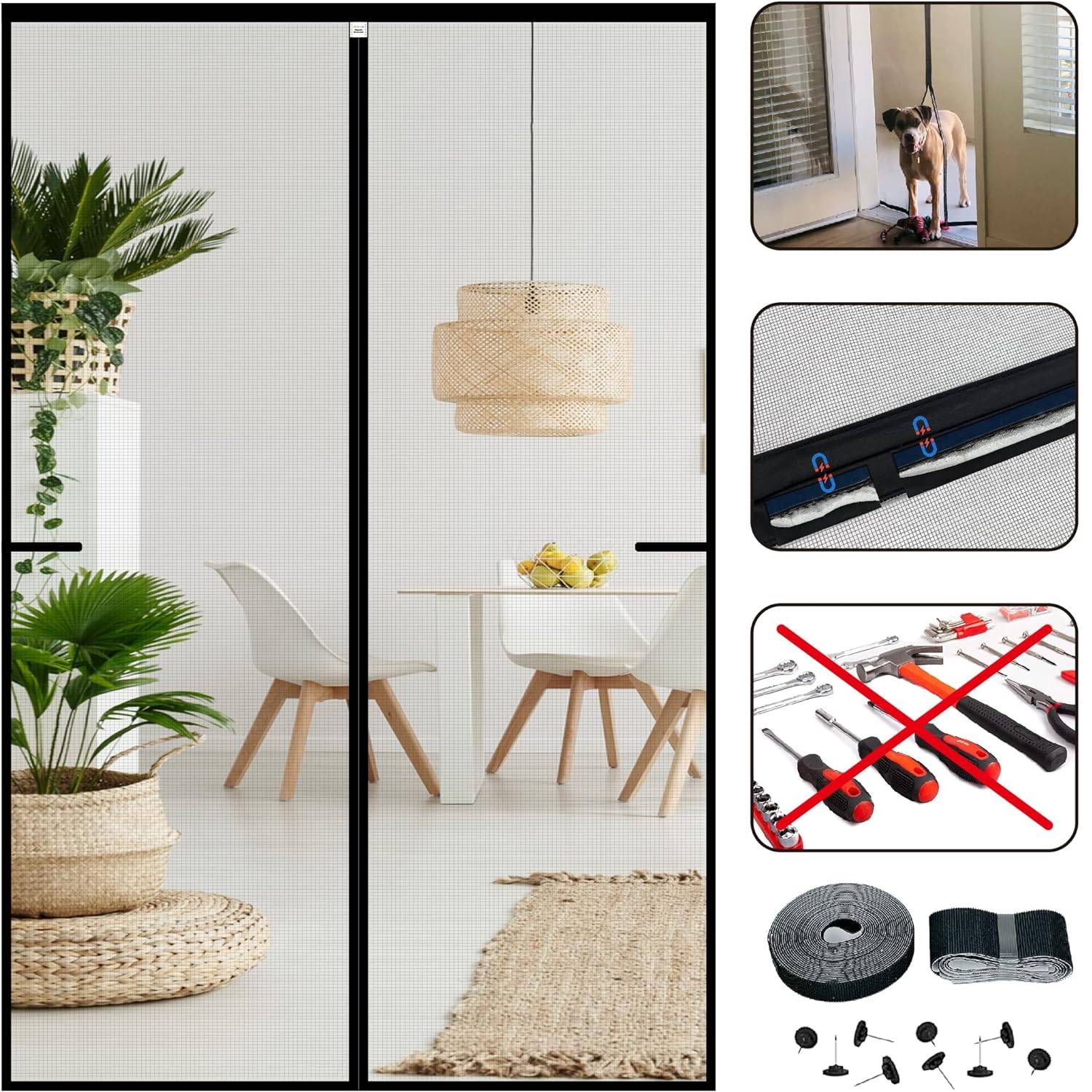
Enjoy the breeze with our magnetic screen door that is built with durable heavy duty magnets and a superior fibreglass mesh curtain.
Not only is our magnetic screen door great for preventing insects and flies, it allows sunshine and fresh air to flow into your home.
The premier magnetic door screen supplier & manufacturers
Fast delivery direct to your door all across the UK
Search For A Product
Doors | Swatters | Accessories
Doors
-
Sale!

Magnetic Door Screen | Door Screen | Magnetic Door Curtains
Price range: £25 through £75 -
Sale!

Mosquito Mesh Door | Mosquito Screen Door | Screen Mosquito Door
Price range: £25 through £75 -
Sale!

Fly Curtain | Room Divider For Doorway | Single Door Curtain
Original price was: £29.£25Current price is: £25. -
Sale!

Thermal Door Curtain | Insulated Door Curtain | Magnetic Thermal Door Cover
Price range: £69 through £89 -
Sale!

Rainbow Anti-Insect Door Curtain | Multi Colour Slat Type Door Curtain | Fly Blind
Original price was: £39.£29Current price is: £29. -
Sale!

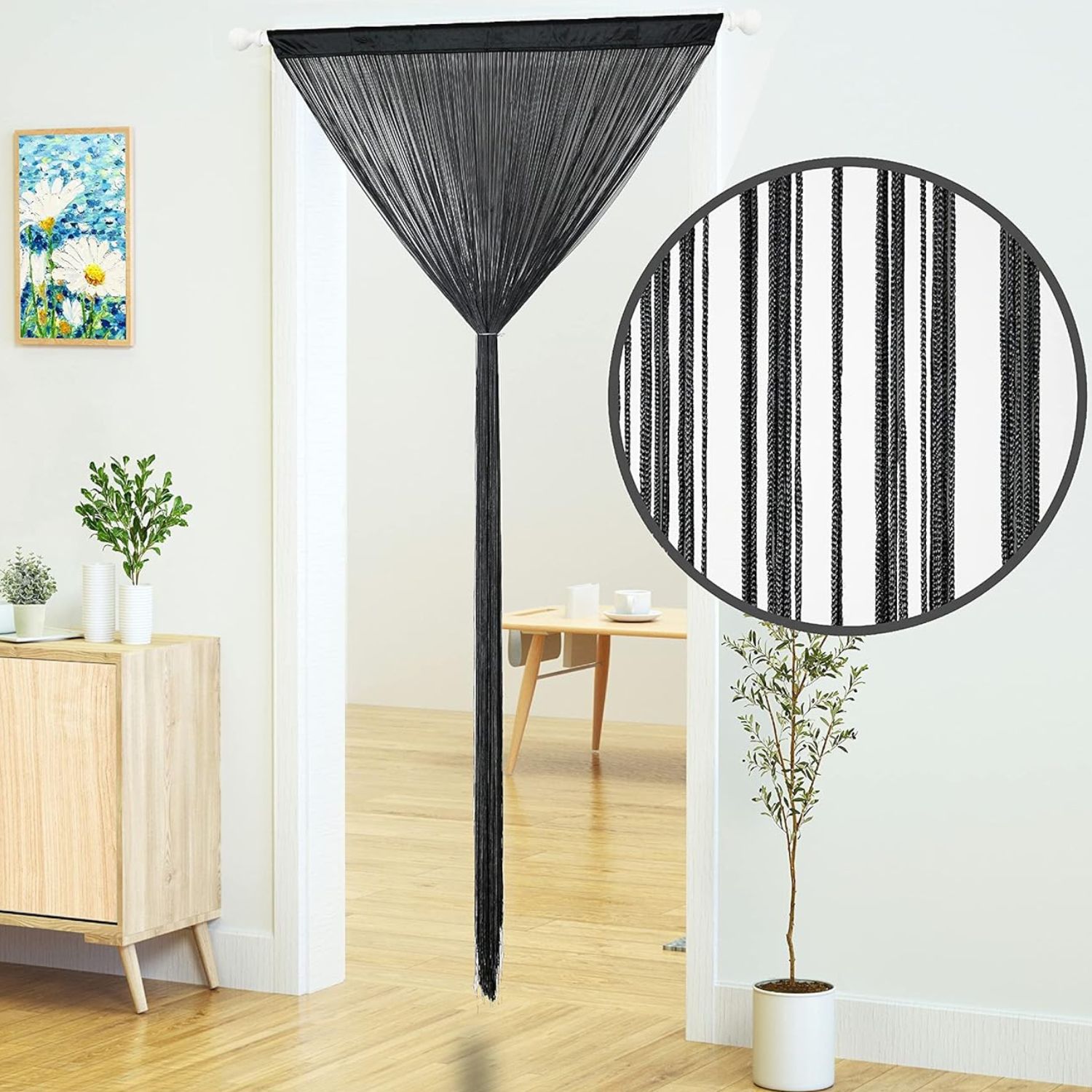
Chain Curtain Door | Chain Fly Screen | Chain Fly Curtain
Price range: £99 through £109 -
Sale!

Door Fly Screen White | White Mesh Door Screen | White Mesh Screen Door
Price range: £25 through £75
Swatters
-
Sale!

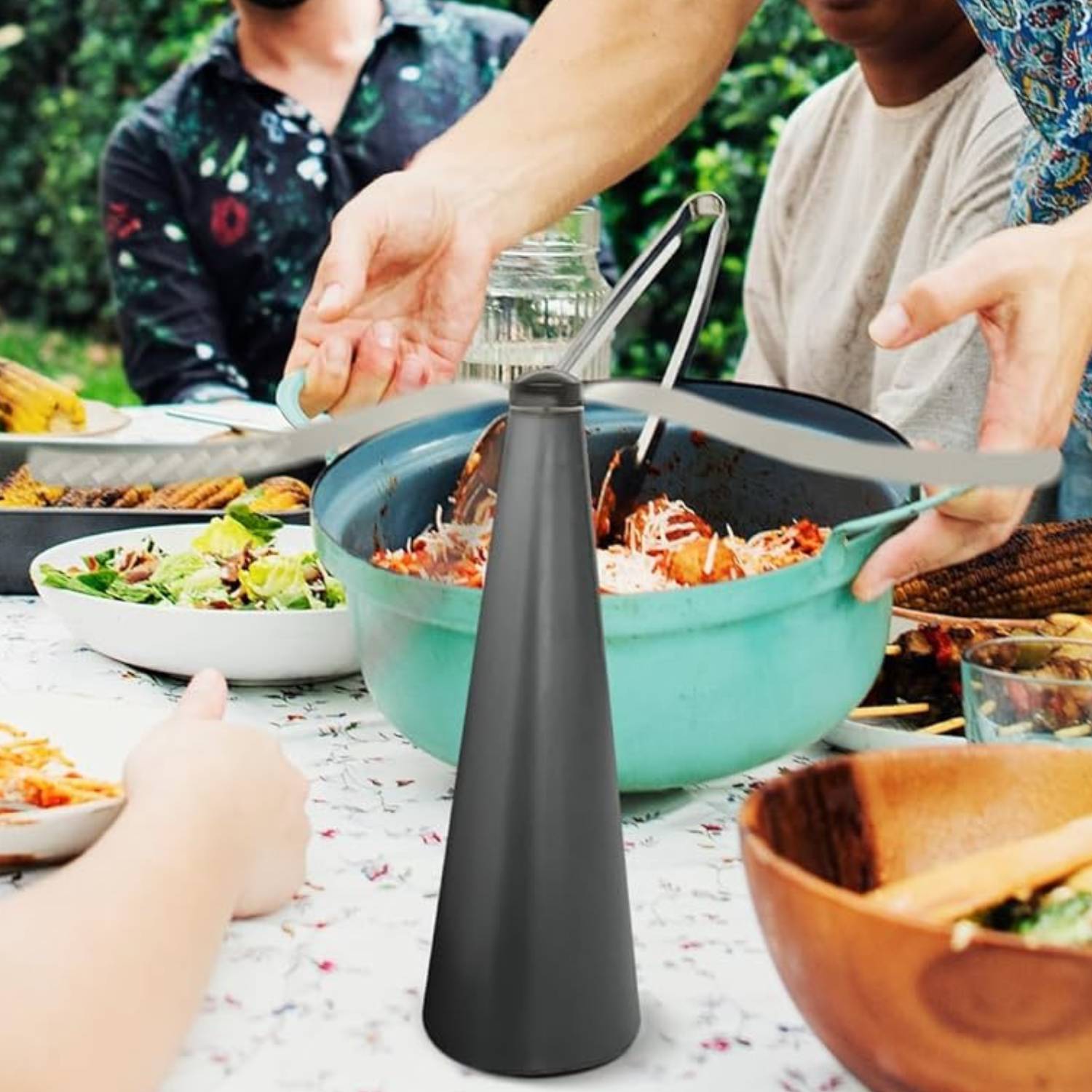
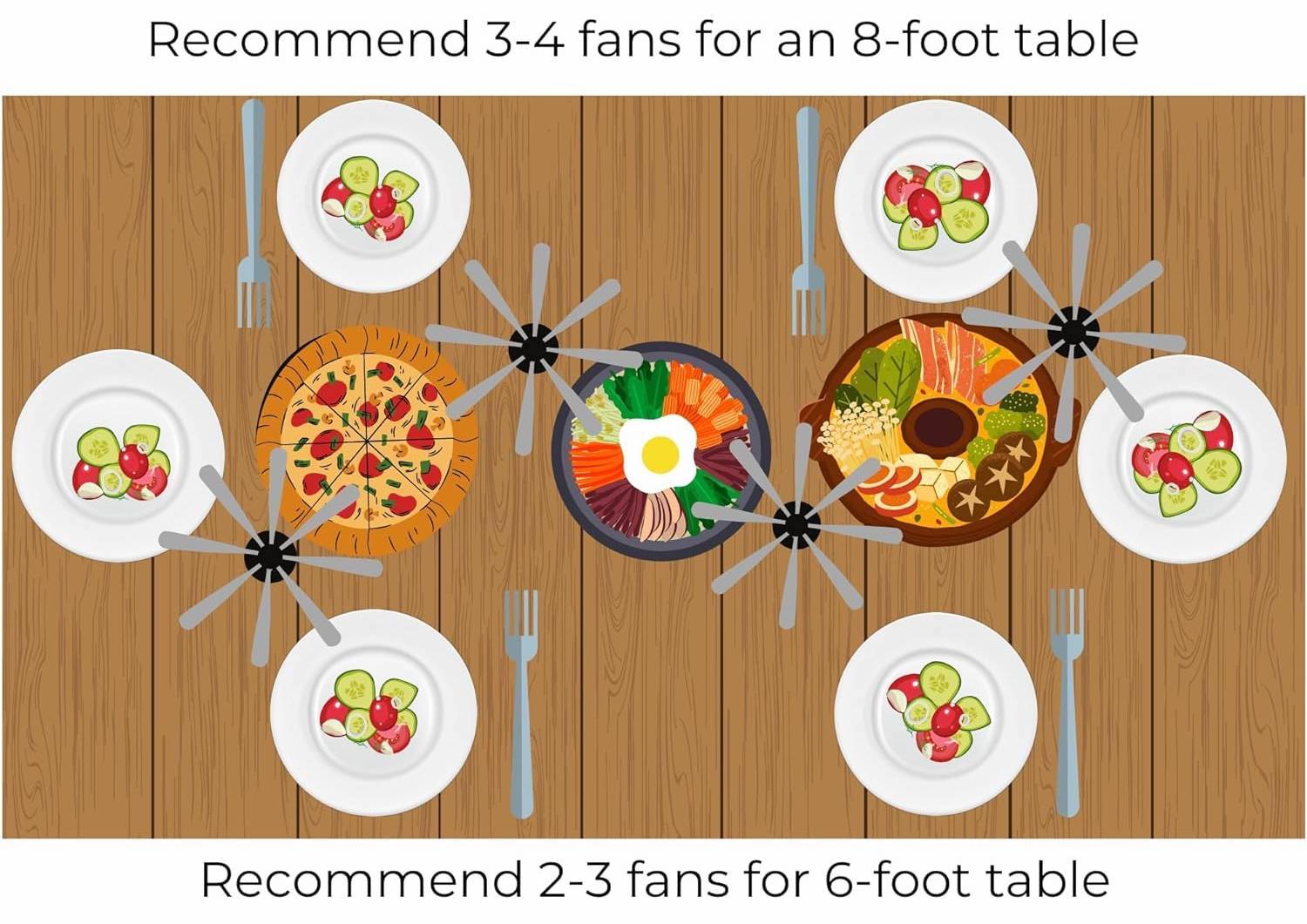
Fly Repellent Fan | Table Fly Fan | Fly Fans For Food
Original price was: £29.£19Current price is: £19. -
Sale!

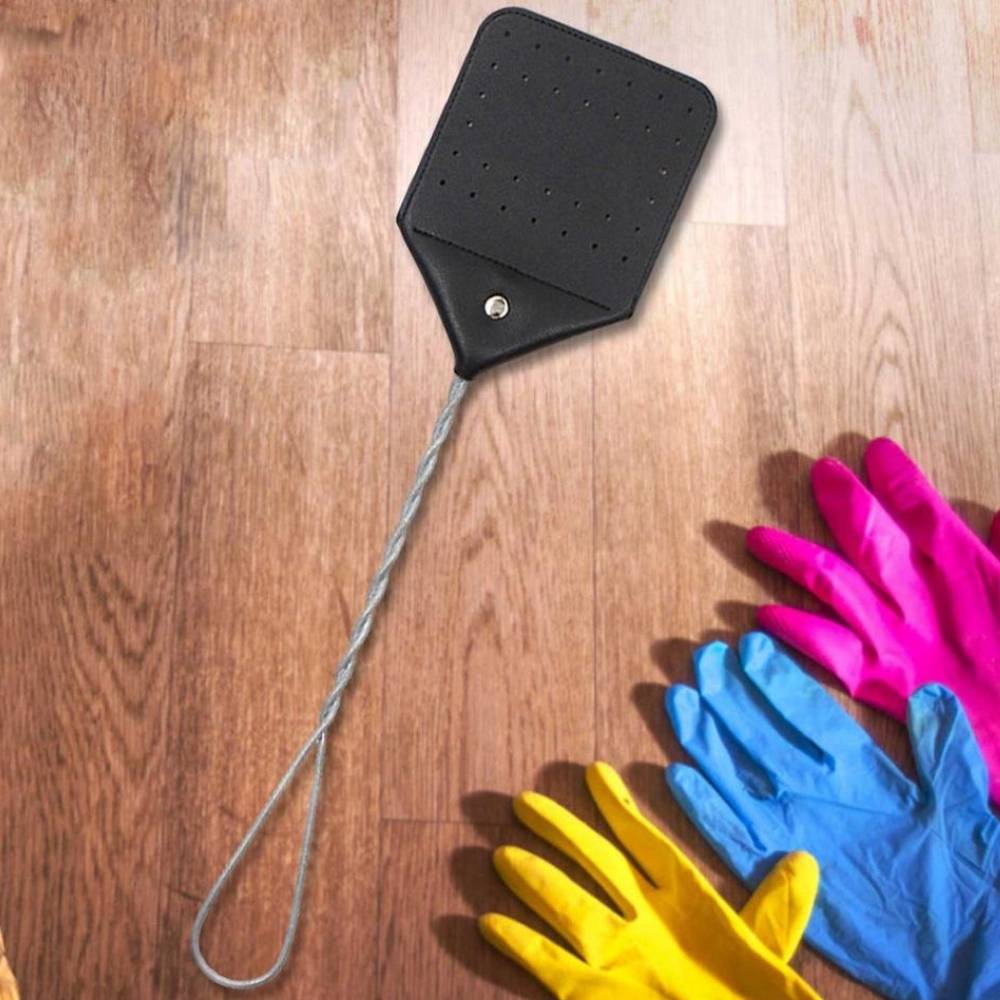
Fly Swatter Leather | Amish Fly Swatter | Amish Leather Fly Swatter
Original price was: £29.£25Current price is: £25. -
Sale!

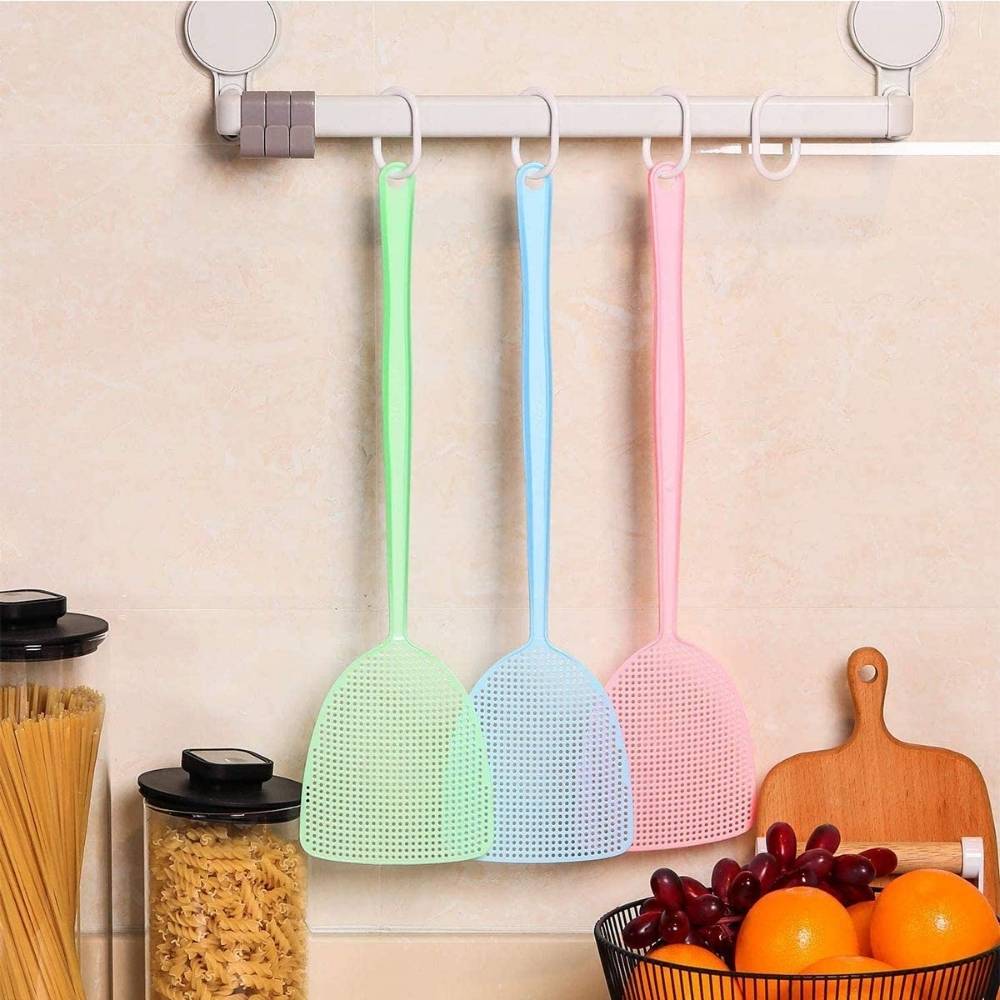
Plastic Swatter | Plastic Fly Swatter | Plastic Swat – x5 Pack
Original price was: £25.£19Current price is: £19. -
Sale!

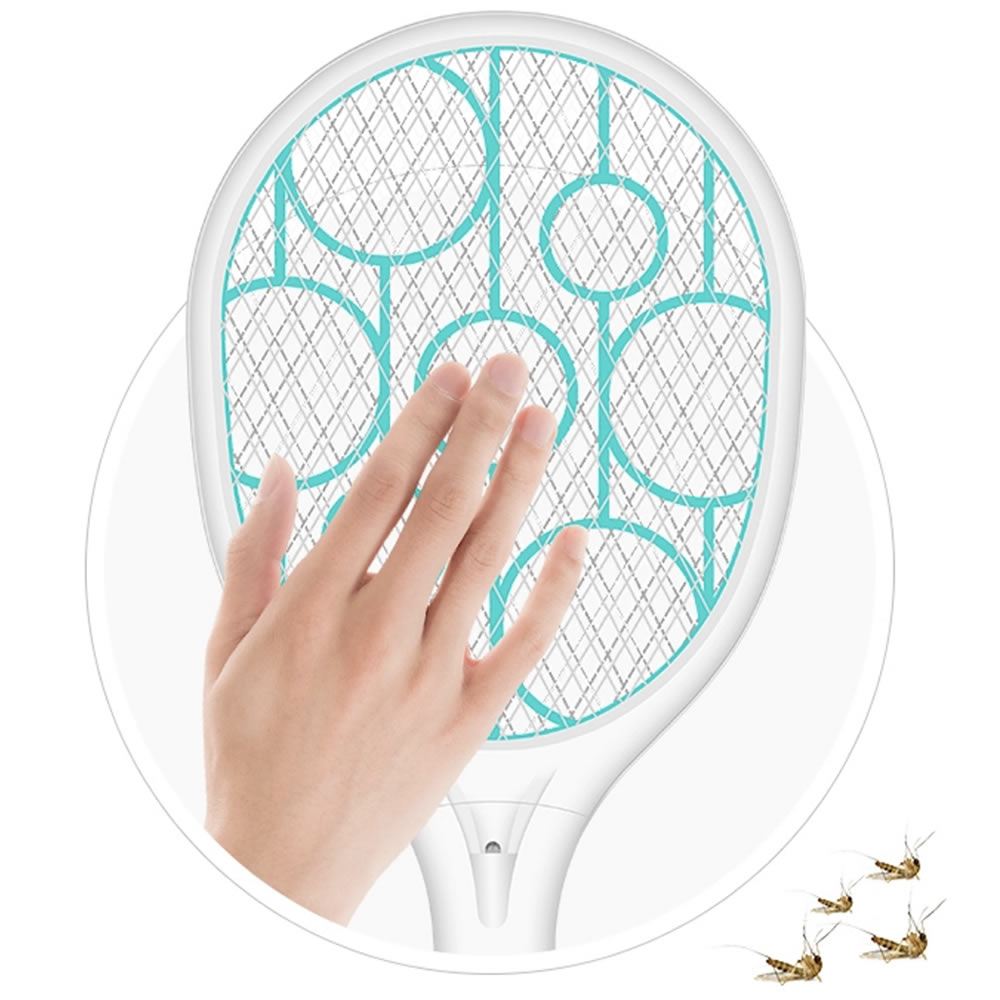
Electric Bug Swatter | Insect Zapper | Electric Racket Fly Swatter
Original price was: £29.£25Current price is: £25.
Accessories
Enjoy the breeze with our magnetic screen door that is built with durable heavy duty magnets and a superior fibreglass mesh curtain.
Not only is our magnetic screen door great for preventing insects and flies, it allows sunshine and fresh air to flow into your home.
A Durable Magnetic Insect Screen Door
Highly durable & easy to maintain, our magnetic screen doors are great for those Australian & New Zealand summer months where a stream of cool air is refreshing inside entertaining areas.
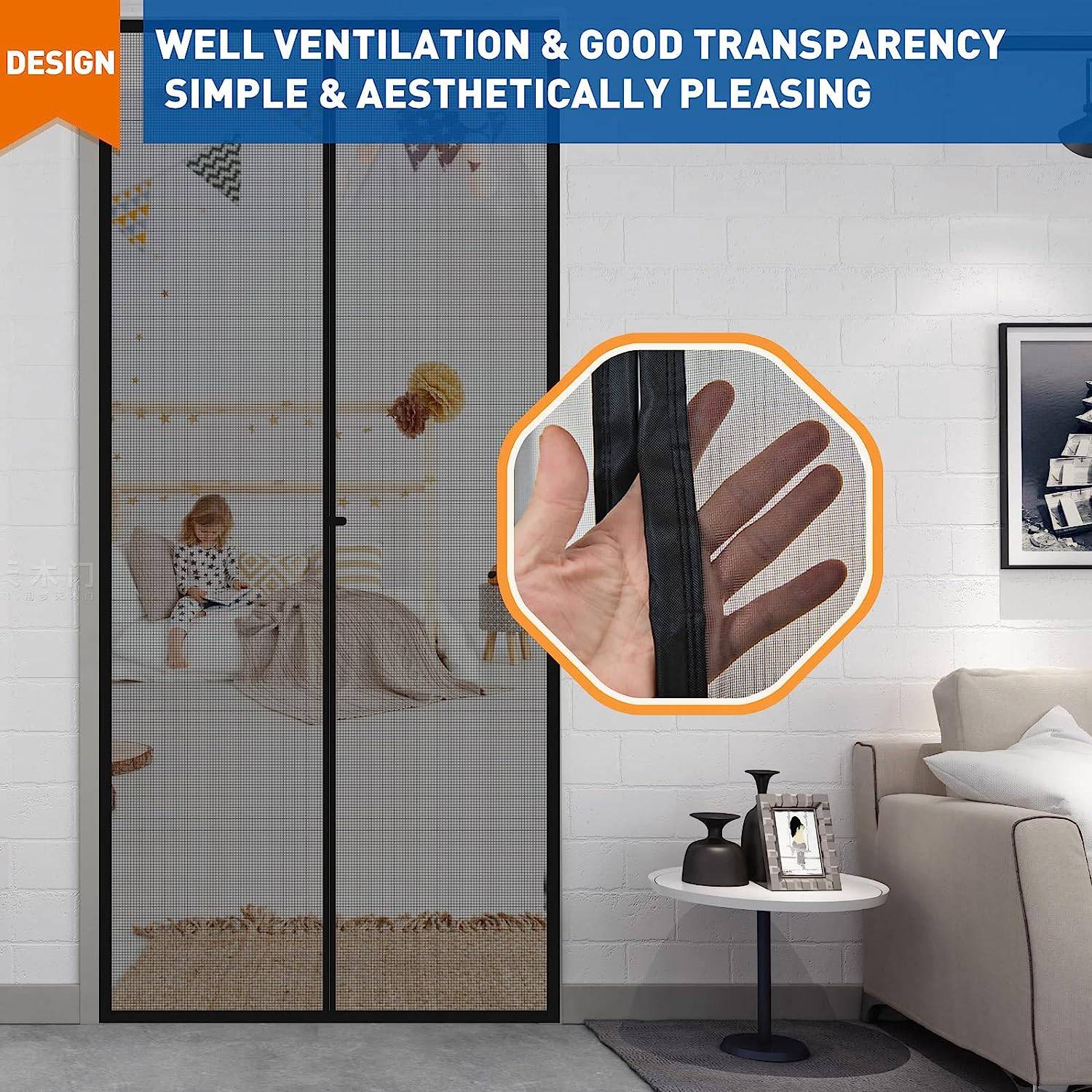
As well as keeping the flies out, these premier do-it-yourself magnetic insect screen doors will not obstruct your view or block out any natural light.
Our magnetic screen doors achieve the goal of creating a comfortable living environment. Compliant to council food health & safety, they are the perfect choice for hotel kitchens, food manufacturers, and even popular restaurants.
Whether you are searching for a fly screen for your home or business, these DIY magnetic screen doors will deliver years of quality performance without any expensive maintenance.
7 Reasons To Choose A DIY Magnetic Insect Screen:
- Durable, and easy to clean
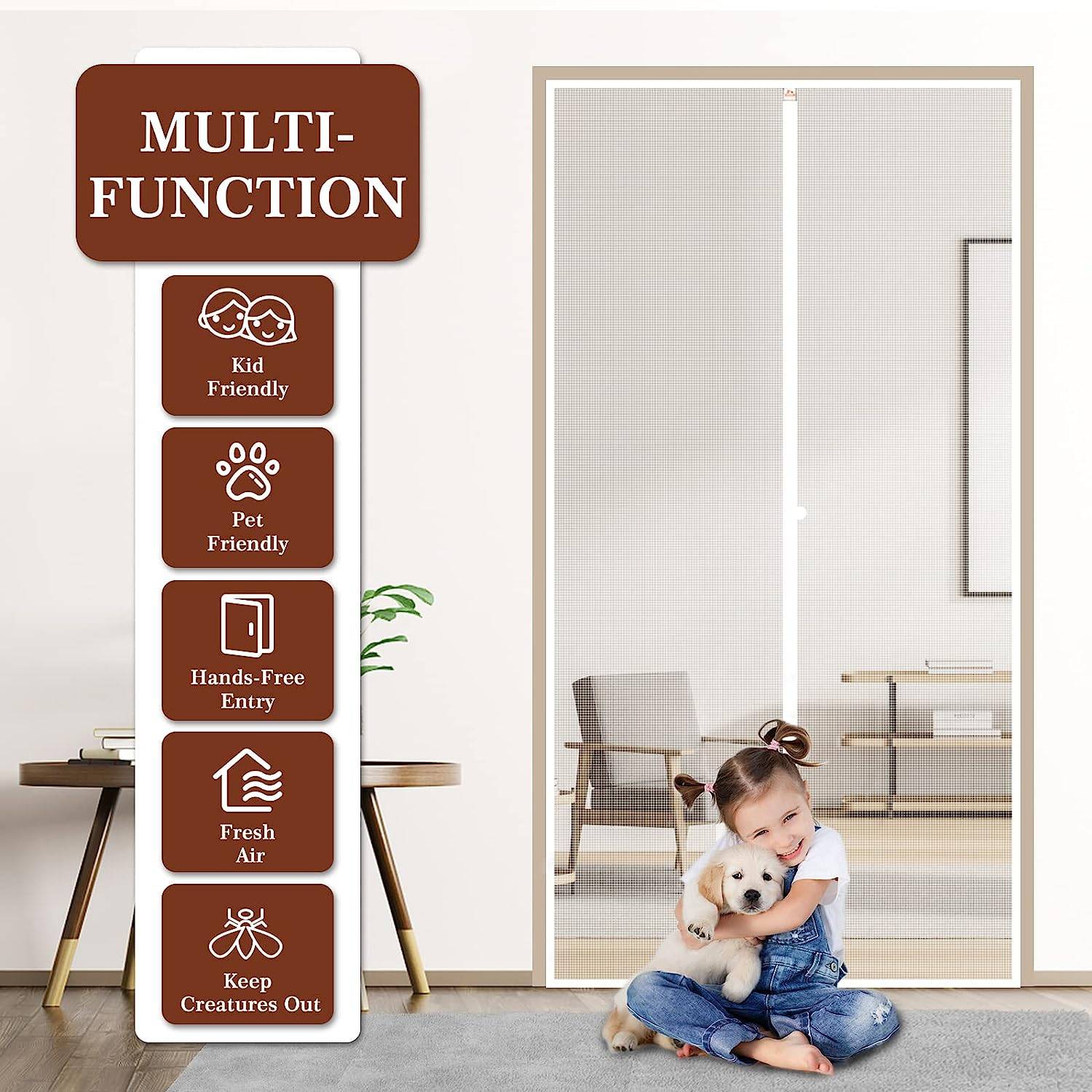
- Easy for children & pets to walk through while blocking off any flies or insects from entering the house.
- With heavy duty magnets this ensures a quick, automatic close each and every time. Instantly opens, magically closes
- Long service life 5 + years
- Folds up for easy storage
- Installed in minutes with no tradesman tools required.
- Fits single doors, sliding doors, RV’s and more
An innovative approach to home fly and insect problems
Our magnetic screen doors has a sturdy and well sewn velcro frame which allows for simple installation and long lasting performance.
Once installed the premium quality mesh lets fresh air in but keeps insects, moths, flies, and other pests out.
Your DIY magnetic door screen kit is easy to install
The process of installing a DIY door curtain insect screen is simple.
First, measure your door and order a size that will cover your door.
All magnetic door screen kits come complete with easy to follow instructions and require no screws, no nails, and will give you no hassles.
Available in black and fit door sizes up to 240mmmm high x 1800mm wide
The Magnetic Screen DIY Door Flyscreen features include:
- No tools required for installation
- Wide range of applications:- home kitchen, bedroom, offices, balcony, business stores
- Durable and super sturdy fibreglass mesh keeps all insects and bugs out
- Super strong magnets.
- Easy ‘no hands’ walk through open and automatic close
- Wide range of applications:- home kitchen, offices, bedroom, balcony, business stores
Tips When Purchasing A DIY Magnetic Screen Door
The screen mesh is folded within the bagged packaging.
Please be careful when you opening the packaging, not to use scissors or a sharp tool which might damage the mesh
The mesh being used is often referred to as Fireproof mesh, because it is made from a glass fibre flame retardant material, and with a colloidal coating.
This mesh is not easy to break, and does not leave a crease marks.
Avoid the cheap nylon mesh screen doors
Compared to the cheap nylon insect screen mesh, fibreglass mesh material is more durable and will last longer in your home.
The density of this door curtain is 15×17 mesh.
This mesh is not only great in keeping out flies and insects, but also allows fresh air and sunshine into your home.
Some benefits of buying the better quality fibreglass mesh models include:
- Fireproof
- Chemical corrosion resistant
- Retains a good natural looking solid shape
Magnetic Screen Door is committed to providing you with the best price and value on your next Do It Yourself magnetic flyscreen door.
Magnetic Door Screen Supplier | Screen Door Manufacturers | Screen Door Suppliers
-
Why choose a Magnetic Door Screen Supplier for natural cooling?
Allowing cross-ventilation can help reduce indoor temperatures without sealing doors shut.
-
Can a Magnetic Fly Screen Door provide privacy?
While primarily designed for insect protection and ventilation, the mesh can offer a degree of privacy during daylight hours.
-
How do Screen Door Manufacturers help maintain indoor comfort?
Reliable mesh barriers allow fresh air in while preventing buzzing and biting pests.
-
Is a Magnetic Fly Screen Door easy to clean?
Yes, they can be easily removed for cleaning with soap and water, ensuring they remain effective and look good over time.
-
How do Screen Door Manufacturers support long-term comfort?
Reliable screen systems maintain protection across seasons without daily intervention.
-
How do Screen Door Manufacturers support year-round use?
Quality construction ensures screens remain functional across changing weather conditions.
-
Why choose a Magnetic Door Screen Supplier for your home?
Working with a specialist ensures access to proven designs that improve airflow while blocking insects. Many households report up to 90% fewer indoor flies after installing quality magnetic systems.
-
Are there thermal benefits to using Fly Screens With Magnets For Doors?
By allowing natural ventilation, they can help cool your home naturally, reducing reliance on air conditioning and saving on energy costs.
-
Why work with a Magnetic Door Screen Supplier for patios?
Specialised designs help maintain airflow in outdoor living areas while reducing mosquito and fly entry.
-
Can I install a Fly Door Screen Magnetic on a metal door frame?
Yes, with the use of adhesive strips or hook and loop fasteners included in the kit, it can be installed on metal frames without drilling.
-
What benefits do Screen Door Suppliers bring to kitchen areas?
Proper screens help reduce insect contamination while allowing cooking heat to escape.
-
How do Screen Door Manufacturers contribute to quieter homes?
Fewer insects indoors mean less buzzing and fewer interruptions.
-
What makes Screen Door Suppliers suitable for coastal regions?
Well-designed products allow sea breezes indoors without increasing insect intrusion.
-
What makes Screen Door Manufacturers important for product quality?
Experienced producers focus on durable mesh, reliable closures, and strong frames that perform consistently in everyday use.
-
Are there different color options for a Magnetic Fly Screen Door?
Typically available in neutral colors like black and white to blend with most decor styles, ensuring functionality without compromising on aesthetics.
-
Can a Magnetic Fly Screen Door be installed on any door type?
Yes, they are versatile and can be adjusted or cut to fit various door sizes, including sliding, single, and double doors.
-
How secure is a Fly Door Screen Magnetic against break-ins?
While it enhances insect protection and ventilation, it's not designed as a security measure against unauthorized entry.
-
Why is a Magnetic Door Screen Supplier essential for insect-prone areas?
Consistent magnetic closure reduces entry points that flies and mosquitoes exploit.
-
What makes Screen Door Suppliers valuable for rental properties?
They provide practical, removable insect control options suitable for temporary living spaces.
-
Why is a Magnetic Door Screen Supplier valuable during warm evenings?
Continuous closure helps block mosquitoes when they are most active at night.
-
What advantages do Screen Door Suppliers offer for high-traffic entryways?
Durable designs maintain protection even with regular opening and closing.
-
How do I measure my door for a Fly Door Screen Magnetic?
Measure the height and width of your door frame and compare it with the product specifications to ensure a proper fit.
-
Why is a Magnetic Door Screen Supplier important for family homes?
Hands-free designs are easy for children and pets to use while keeping insects out.
-
Is it possible to repair a Magnetic Fly Screen Door if it gets damaged?
Minor damages can often be repaired with DIY patch kits or by sewing, but significant damage may require replacement of the screen.
-
Can the magnets in a Fly Door Screen Magnetic weaken over time?
High-quality magnetic screens are designed with strong magnets that maintain their magnetic force over time, ensuring the screen remains functional.
-
How do Screen Door Manufacturers contribute to energy efficiency?
Improved ventilation can reduce the need for fans and cooling systems, supporting natural temperature control.
-
What is a Magnetic Fly Screen Door?
A Magnetic Fly Screen Door is a mesh barrier that attaches to door frames using magnets, allowing for hands-free entry and exit while keeping insects out.
-
How resistant is a Magnetic Fly Screen Door to tearing or damage?
Many are made with durable mesh that resists tearing and damage from daily use, though care should be taken to avoid sharp objects or excessive force.
-
What is the lifespan of Fly Screens With Magnets For Doors?
With proper care and minimal exposure to harsh weather, they can last several years, making them a cost-effective solution.
-
Can children use a Magnetic Fly Screen Door safely?
Yes, its hands-free operation and soft mesh make it safe for children to pass through without the risk of injury.
-
What makes a Magnetic Fly Screen Door different from traditional screen doors?
Its magnetic closure system allows for hands-free passage and automatic closing, unlike traditional screen doors that may require manual operation and often don't seal as effectively against insects.
-
How do Screen Door Manufacturers improve everyday living?
By delivering durable, practical solutions that reduce indoor insect disturbance.
-
Are there eco-friendly options for Fly Screens With Magnets For Doors?
Yes, look for screens made from sustainable materials or those that contribute to reduced energy consumption by promoting natural cooling.
-
What advantages do Screen Door Suppliers provide for busy households?
Reliable sourcing ensures practical solutions that handle daily traffic without reducing protection.
-
Why is a Magnetic Door Screen Supplier ideal for Australian climates?
High insect activity and warm evenings demand reliable, hands-free protection that allows doors to stay open longer.
-
What makes Screen Door Suppliers a smart choice for balconies?
They offer solutions that maintain ventilation while reducing insect entry in smaller spaces.
-
Why rely on a Magnetic Door Screen Supplier for consistent airflow?
Magnetic systems close automatically, maintaining protection even with frequent use.
-
How do Screen Door Suppliers support better ventilation?
By offering well-designed screens, they help homes achieve improved airflow, which can reduce indoor heat by 2–4°C during warmer months.
-
Why choose a Magnetic Door Screen Supplier for open-plan homes?
Magnetic closures support seamless indoor-outdoor flow without compromising protection.
-
Where can I find a Magnetic Fly Screen Door that fits unique door shapes?
Custom solutions are available from certain suppliers who can tailor the screen to fit unique or non-standard door shapes, ensuring a perfect fit for any doorway.
-
Can the magnets in a Fly Door Screen Magnetic weaken over time?
High-quality magnetic screens are designed with strong magnets that maintain their magnetic force over time, ensuring the screen remains functional.
-
What are the benefits of a Fly Door Screen Magnetic?
Benefits include easy installation, convenience of walkthrough, improved air circulation, and effective insect protection without blocking light or views.
-
Why partner with a Magnetic Door Screen Supplier for entertaining spaces?
Effective insect control keeps guests comfortable during gatherings and outdoor meals.
-
Can I use a Magnetic Fly Screen Door on a balcony or patio door?
Yes, they are perfect for balcony or patio doors, enhancing indoor-outdoor flow while keeping insects out.
-
Can pets pass through a Magnetic Fly Screen Door?
Absolutely, pets can easily push through the screen, which then closes magnetically behind them, making it pet-friendly.
-
What makes Screen Door Suppliers dependable for outdoor dining areas?
They provide solutions that help keep food spaces protected while preserving airflow.
-
How effective is a Fly Door Screen Magnetic against all types of insects?
Highly effective; the fine mesh and magnetic closure system prevent entry of flies, mosquitoes, and other insects, providing excellent protection.
-
How do Fly Screens With Magnets For Doors work?
They work by creating a seal with magnets along the center and bottom, automatically closing after someone passes through to prevent insects from entering.
-
How do Screen Door Manufacturers ensure consistent performance?
Careful construction and tested materials help maintain airflow and insect control across seasons.
-
How do Screen Door Manufacturers enhance indoor air quality?
Better airflow reduces stale air buildup, supporting fresher living environments.
-
Can a Magnetic Fly Screen Door be used year-round?
While ideal for use in warmer months for ventilation, it can be removed and stored easily during colder seasons if not needed.
-
Do Magnetic Fly Screen Doors come with a warranty?
Many manufacturers offer a warranty, covering defects in materials and craftsmanship, providing peace of mind to consumers.
-
What role do Screen Door Suppliers play in peak insect season?
They ensure access to dependable solutions when mosquito and fly activity is highest.
-
How do I install a Fly Door Screen Magnetic?
Installation is straightforward, typically involving adhesive strips or hook and loop fasteners to attach the screen to the door frame without tools.
-
Are Fly Screens With Magnets For Doors durable?
Made with high-quality mesh and strong magnets, these screens are designed for durability and long-term use, withstanding daily wear and tear.
-
How do Screen Door Manufacturers support chemical-free living?
Well-made screens offer physical insect barriers, reducing reliance on sprays or repellents indoors.
-
How does wind affect a Magnetic Fly Screen Door?
The bottom weights and magnetic closure help keep the screen in place during windy conditions, although very high winds might cause it to bulge or open slightly.
-
Do Fly Screens With Magnets For Doors obstruct the view?
The mesh is designed to be transparent enough to not obstruct views while providing necessary protection against insects.
-
What sizes do Fly Screens With Magnets For Doors come in?
They come in various standard sizes but can be trimmed during installation for a custom fit to any door frame.
-
How quick is the setup process for a Fly Door Screen Magnetic?
Setup is quick and easy, often taking less than 15 minutes to attach to the door frame without the need for special tools or skills.
Magnetic Door Screen Supplier Guide: Everything About Screen Door Manufacturers and Suppliers
The magnetic door screen and screen door manufacturing industry encompasses a global network of suppliers, manufacturers, distributors, and wholesalers providing products serving residential, commercial, and industrial insect protection needs. Whether you operate a retail store requiring inventory, run a construction company needing screens for multiple projects, manage properties with ongoing screen replacement needs, or represent a distribution business seeking reliable suppliers, understanding the supplier landscape, quality indicators, ordering processes, and relationship management strategies ensures you source quality products that meet customer expectations while supporting profitable business operations.
Navigating the screen door supplier ecosystem successfully requires knowledge extending beyond simple product specifications into realms of manufacturing capabilities, quality control systems, minimum order quantities, customization options, shipping logistics, and the business practices distinguishing reliable professional suppliers from problematic sources that create more headaches than value. This comprehensive guide explores everything you need to know about working with magnetic door screen suppliers and screen door manufacturers, empowering informed sourcing decisions that strengthen your business through reliable product access and supplier partnerships.
Understanding the Screen Door Supply Chain
The screen door and magnetic screen industry operates through multi-tiered supply chains connecting raw material producers, component manufacturers, finished product assemblers, distributors, wholesalers, and retailers before products reach end consumers. Understanding this structure helps buyers identify appropriate supplier levels for their specific needs, volumes, and business models.
Manufacturers produce screens directly from raw materials including mesh fabric, frame extrusions, hardware components, and packaging materials. These producers often sell to distributors or large-volume customers rather than dealing with small retail accounts. Distributors aggregate products from multiple manufacturers, warehousing inventory and selling to retailers, contractors, or other businesses. Wholesalers operate similarly though sometimes with narrower product focuses or regional concentrations.
Direct Manufacturer Relationships
Working directly with manufacturers offers potential advantages including optimal pricing eliminating distributor markups, access to customization and private labeling capabilities, direct communication with production sources for technical questions or special requirements, and potentially priority treatment for large-volume customers. However, manufacturers typically require larger minimum orders, longer lead times, and may offer less flexibility for smaller buyers than distributors maintaining ready inventory.
Distributor and Wholesaler Networks
Distributors provide value through inventory maintenance allowing smaller order quantities, product aggregation from multiple manufacturers simplifying sourcing, faster delivery from regional warehouses, and often more flexible terms accommodating smaller businesses. The trade-off involves higher per-unit costs reflecting distributor margins and potentially less access to customization compared to direct manufacturer relationships.
Import Considerations
Many screen door products originate from international manufacturers, particularly in Asia where production costs and established manufacturing infrastructure create competitive advantages. International sourcing introduces considerations including longer shipping times, customs and import compliance requirements, quality control challenges from distance, potential communication barriers, and currency exchange factors affecting costs. However, the potential cost savings and access to specialized manufacturing capabilities make international suppliers valuable sources for many businesses.
Types of Screen Door Suppliers
Screen door suppliers specialize in various product categories and business models serving different market segments and customer needs.
Magnetic Screen Door Specialists
Some suppliers focus specifically on magnetic screen door products, developing expertise in this product category including various mesh materials, magnet configurations, attachment systems, and applications. These specialists often offer deeper product knowledge and broader selections within magnetic screen categories compared to generalist suppliers.
Traditional Screen Door Manufacturers
Manufacturers producing hinged, sliding, or retractable screen doors typically offer complete product lines including various sizes, materials, and quality levels. These established manufacturers often maintain reputations for quality and reliability built over decades of production, though they may show less agility adopting new technologies or responding to market changes compared to newer specialized suppliers.
Component and Hardware Suppliers
Some suppliers focus on screen door components including mesh rolls, frame extrusions, magnetic strips, hardware kits, or installation accessories rather than finished assembled products. These suppliers serve manufacturers, contractors, or repair operations requiring components rather than complete screen assemblies.
Private Label and OEM Manufacturers
Private label manufacturers produce screens marketed under customers’ brands rather than manufacturer names. OEM (Original Equipment Manufacturer) arrangements allow businesses to source screens carrying their branding, specifications, and quality standards while leveraging manufacturing expertise and capacity they lack internally.
Eco-Friendly and Sustainable Suppliers
Growing environmental consciousness has spawned suppliers specializing in screens using recycled materials, sustainable production methods, or eco-friendly alternatives to conventional materials. These specialists serve customers prioritizing environmental responsibility alongside product functionality.
Quality Standards and Certifications
Reliable suppliers demonstrate quality commitment through recognized standards and certifications validating manufacturing processes and product characteristics.
ISO Certifications
ISO 9001 quality management certification indicates suppliers maintain systematic quality processes ensuring consistent production standards. While not guaranteeing perfect products, ISO certification demonstrates commitment to quality systems reducing variation and maintaining standards across production runs.
Product Safety Certifications
Depending on markets served, various safety certifications may apply including testing for materials safety, structural integrity, or compliance with consumer product safety standards. Reputable suppliers provide documentation supporting safety claims and compliance with relevant regulations.
Material Certifications
Certifications validating mesh materials, frame compositions, or other components ensure products meet specified standards. For example, UV resistance certifications, flame retardant ratings, or recyclable material documentation support quality and safety claims.
Environmental and Sustainability Certifications
Eco-conscious suppliers may hold certifications for sustainable forestry, recycled content, carbon footprint measurement, or environmental management systems. These certifications appeal to businesses and consumers prioritizing environmental responsibility.
Supplier Selection Criteria
Choosing appropriate suppliers requires evaluating multiple factors ensuring selections align with business needs and risk tolerance.
Product Quality Assessment
Request samples before committing to large orders, allowing direct quality evaluation. Examine materials, construction, functionality, and finish quality. Compare samples from multiple suppliers identifying quality differences justifying price variations or revealing substandard offerings to avoid.
Manufacturing Capabilities
Assess whether suppliers possess capabilities meeting your needs including production capacity handling your volume requirements, customization abilities for special orders, quality control systems ensuring consistency, and technical expertise supporting product development or problem-solving.
Minimum Order Quantities
Understand MOQs (Minimum Order Quantities) ensuring they align with your inventory capacity and cash flow. Suppliers requiring massive minimums may prove unsuitable for smaller businesses, while those accepting smaller orders provide flexibility though potentially at higher per-unit costs.
Lead Times and Delivery Reliability
Evaluate production lead times ensuring suppliers can deliver within your operational requirements. Assess delivery reliability through references or trial orders, as unreliable suppliers create inventory shortages, customer disappointment, and operational headaches regardless of product quality or pricing.
Pricing and Payment Terms
Compare pricing across suppliers accounting for quality differences, included services, and total landed costs including shipping. Evaluate payment terms considering cash flow impacts, with longer payment windows or deposit structures affecting working capital requirements differently.
Customer Service and Communication
Responsive, professional communication indicates suppliers who will support your business effectively when questions, problems, or special needs arise. Poor communication during sales processes typically worsens after orders are placed, making supplier responsiveness important selection criteria.
References and Reputation
Request customer references and research supplier reputations through industry forums, trade associations, or online reviews. Established positive reputations provide confidence, while negative patterns or unwillingness to provide references raise red flags warranting caution.
Customization and Private Labeling
Many suppliers offer customization services creating differentiated products or supporting brand development.
Custom Sizing and Specifications
Suppliers may accommodate custom dimensions, materials, or specifications beyond standard product lines. This flexibility serves businesses with unique requirements or seeking to offer distinctive products competitors cannot easily replicate. Custom capabilities typically require larger order volumes justifying setup costs and production adjustments.
Private Label Manufacturing
Private labeling allows businesses to market screens under their own brands while leveraging supplier manufacturing expertise. This arrangement requires defining specifications, quality standards, packaging design, and branding elements the manufacturer incorporates into production. Successful private labeling creates branded products without manufacturing infrastructure investment.
Packaging Customization
Custom packaging incorporating your branding, product information, or unique presentation creates professional retail-ready products distinguishing your offerings. Packaging customization ranges from simple label changes to complete custom packaging design and production.
Special Features and Modifications
Suppliers may accommodate requests for specific features including particular mesh types, specialized hardware, unique colors, or functional modifications creating products tailored to target market preferences or specific application requirements.
Quality Control and Inspection
Implementing quality control processes protects against receiving substandard products that damage customer relationships and business reputations.
Pre-Production Samples
For custom or large orders, request pre-production samples confirming manufacturers understand requirements and can produce to specifications before full production begins. This step prevents costly errors requiring production reruns or product rejection.
In-Process Inspection
For significant orders, particularly from new suppliers, consider third-party inspection services visiting factories during production verifying quality standards are maintained. This oversight identifies problems early allowing corrections before complete production runs.
Final Inspection Before Shipment
Final inspections before shipping confirm finished products meet specifications and quality standards. This last checkpoint prevents shipping defective products creating return headaches, customer dissatisfaction, and financial losses from unusable inventory.
Receiving Inspection Protocols
Implement systematic receiving inspections examining shipments for damage, quantity accuracy, and quality compliance. Documented inspection results support warranty claims or supplier disputes if problems arise.
Ordering and Logistics
Understanding ordering processes and logistics management ensures smooth procurement operations.
Placing Orders
Establish clear ordering procedures with suppliers including how orders are placed, confirmation processes, deposit or payment requirements, and production timelines. Written purchase orders documenting all terms prevent misunderstandings and provide reference documentation if disputes arise.
Production and Lead Times
Understand realistic lead times accounting for production scheduling, material procurement, manufacturing processes, and quality control. Rush orders may be possible for premiums, but normal lead times require advance planning ensuring inventory availability when needed.
Shipping and Freight
Clarify shipping responsibilities, costs, and methods. Terms like FOB (Free On Board) define at what point ownership and risk transfer from seller to buyer. Understand shipping timelines and tracking capabilities ensuring you can monitor shipments and plan for receipt.
Customs and Import Compliance
For international suppliers, understand customs requirements, documentation needs, potential duties or tariffs, and import regulations affecting product entry. Working with experienced freight forwarders or customs brokers simplifies complex international logistics.
Inventory Management
Effective supplier relationships require balancing order quantities against inventory capacity and turnover rates. Order too much and capital ties up in excess inventory; order too little and stockouts lose sales. Developing reliable demand forecasting and reorder point systems optimizes inventory investment.
Supplier Relationship Management
Building strong supplier relationships creates competitive advantages through better service, pricing, and collaboration.
Communication and Transparency
Maintain open, honest communication with suppliers about your needs, challenges, and expectations. Share demand forecasts helping suppliers plan production and material procurement. Transparent relationships enable suppliers to serve you more effectively while building trust and mutual understanding.
Volume Commitment and Loyalty
Concentrating purchases with fewer suppliers rather than fragmenting across many sources often unlocks better pricing, priority service, and enhanced support. Your increased importance to suppliers who receive larger volume shares motivates them to invest in your success.
Performance Feedback
Provide feedback about product quality, delivery performance, and service issues. Constructive feedback helps suppliers improve while demonstrating you monitor performance and expect continuous improvement. Recognition of excellent performance strengthens relationships and encourages continued high standards.
Long-Term Partnership Approach
View key suppliers as partners rather than mere vendors, collaborating on product development, quality improvements, or market opportunities. This partnership mindset creates mutually beneficial relationships where both parties invest in shared success rather than purely transactional interactions.
Conflict Resolution
Problems inevitably arise in business relationships. Address issues promptly and professionally, seeking collaborative solutions rather than adversarial approaches. Effective conflict resolution maintains relationships while solving problems, whereas hostile approaches damage partnerships even if immediate disputes are resolved.
Industry Trends and Innovations
Staying informed about industry developments helps identify emerging opportunities and evolving customer preferences.
Smart and Connected Screens
Emerging technologies include motorized retractable screens with smartphone controls, screens with integrated sensors detecting insect activity, or systems coordinating with smart home platforms. Forward-thinking suppliers develop these innovations creating differentiation opportunities.
Sustainable and Eco-Friendly Products
Growing environmental consciousness drives demand for screens using recycled materials, sustainable production methods, or biodegradable components. Suppliers developing eco-friendly options position themselves favorably for environmentally-conscious markets.
Enhanced Materials and Coatings
Ongoing material science creates improved mesh with better UV resistance, antimicrobial properties, enhanced visibility, or superior durability. Suppliers incorporating advanced materials provide product advantages supporting premium positioning or expanded applications.
Customization and Personalization
Advances in manufacturing technology enable greater customization at lower volumes, allowing suppliers to offer personalized products previously requiring prohibitive minimum quantities. This trend supports niche marketing and product differentiation strategies.
Evaluating International Versus Domestic Suppliers
Businesses must weigh trade-offs between international and domestic sourcing options.
International Supplier Advantages
International suppliers, particularly in manufacturing-intensive regions, often provide cost advantages through lower labor costs, established production infrastructure, and specialization in specific product categories. Access to unique manufacturing capabilities or materials may also favor international sourcing.
Domestic Supplier Benefits
Domestic suppliers offer shorter lead times, easier communication without language barriers or time zone challenges, reduced shipping costs, simpler logistics without customs complications, and potentially greater quality control accessibility through facility visits.
Hybrid Sourcing Strategies
Many businesses use both international and domestic suppliers strategically, sourcing high-volume standard products internationally for cost advantages while relying on domestic suppliers for custom orders, quick-turn requirements, or products where domestic sourcing advantages outweigh cost considerations.
Legal and Contractual Considerations
Protecting your business through appropriate legal and contractual frameworks prevents disputes and clarifies expectations.
Supply Agreements
Formal supply agreements documenting terms, specifications, pricing, delivery schedules, quality standards, and dispute resolution procedures provide legal protection and operational clarity. While adding formality to relationships, written agreements prevent misunderstandings and provide recourse if problems arise.
Intellectual Property Protection
For custom or private label products, clearly define intellectual property ownership including designs, branding, or proprietary features. Protect against suppliers using your IP for other customers or competitors.
Liability and Insurance
Understand liability for product defects, damages, or injuries. Verify suppliers maintain appropriate insurance coverage and clearly define responsibility allocation between parties.
Dispute Resolution
Establish agreed dispute resolution procedures including jurisdiction, applicable law, and whether arbitration or other alternative dispute resolution will be used before litigation. Clear procedures streamline problem resolution when conflicts arise.
Building a Supplier Portfolio
Strategic supplier portfolio development balances risk against operational efficiency.
Primary and Backup Suppliers
Maintain relationships with backup suppliers for critical products protecting against primary supplier disruptions from disasters, capacity constraints, or relationship deterioration. While dual sourcing adds complexity, it provides insurance against supply interruptions.
Diversification Strategies
Avoid excessive dependence on single suppliers that could leverage concentration into unfavorable terms or create vulnerability to supplier problems. Balance concentration benefits against diversification risk management.
Supplier Development
Invest in developing supplier capabilities through training, technical assistance, or volume commitments supporting their growth. Supplier development creates aligned partners invested in your success while building capacity meeting your evolving needs.
Success Through Strategic Supplier Partnerships
The magnetic door screen and screen door supplier landscape offers abundant options serving diverse business needs from small retail operations to large distribution networks. Success in navigating this ecosystem requires understanding the supply chain structure, evaluating suppliers systematically against relevant criteria, implementing quality control protecting against defective products, managing relationships professionally fostering mutual success, and staying informed about industry trends and innovations creating competitive advantages.
The most successful businesses view suppliers not as necessary evils or purely transactional relationships but as strategic partners whose capabilities, reliability, and collaboration directly impact business success. Investing time and effort in supplier selection, relationship development, and ongoing management pays dividends through reliable product access, quality consistency, favorable terms, and collaborative problem-solving when challenges inevitably arise.
Whether you source from domestic manufacturers providing quick turnaround and easy communication, international suppliers offering cost advantages and specialized capabilities, or hybrid approaches leveraging strengths of both, strategic supplier management represents crucial business capability determining whether you consistently deliver quality products meeting customer expectations while maintaining profitable operations.
Your optimal supplier relationships await development through systematic evaluation, clear communication, mutual respect, and commitment to partnership approaches where both parties benefit from shared success. The screen door supplier ecosystem contains reliable, capable partners ready to support your business growth and operational excellence once you implement the knowledge, strategies, and relationship management practices that separate professional procurement from ad-hoc purchasing creating inefficiency, quality problems, and missed opportunities that strategic supplier partnerships prevent through deliberate, informed supplier selection and relationship development.
No Results Found
The page you requested could not be found. Try refining your search, or use the navigation above to locate the post.