


The complete guide
Buying Guide
This electric bug zapper is a modern take on the traditional fly swatter. Instantly eliminate mosquitos, flies, fruit flies, gnats and other pests in a single swing
The Safe, Environmentally Friendly Way To Kill Mosquitos & Insects
FREE DELIVERY ACROSS THE UK ON ALL ORDERS OF £50+ or more (Save £22)
Don't Suffer From Mosquitos Anymore!
Get rid of pesky bugs in an instant with the innovative Bug Zapper.
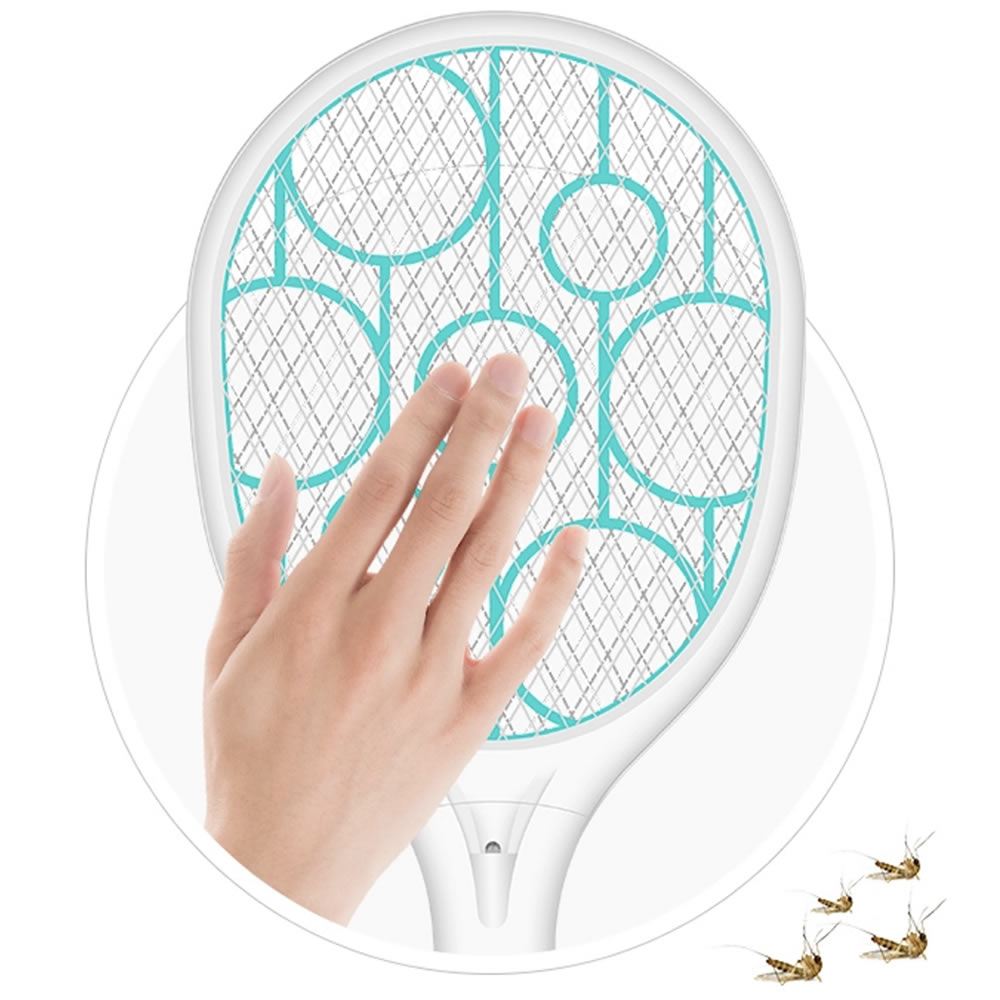
This fly and mosquito zapper makes it easier to catch bugs with its unique tennis racket design and (safe for humans to touch) electrical surface.
Catch bugs mid-flight with its large surface and handy LED light that’s ideal for use at night.
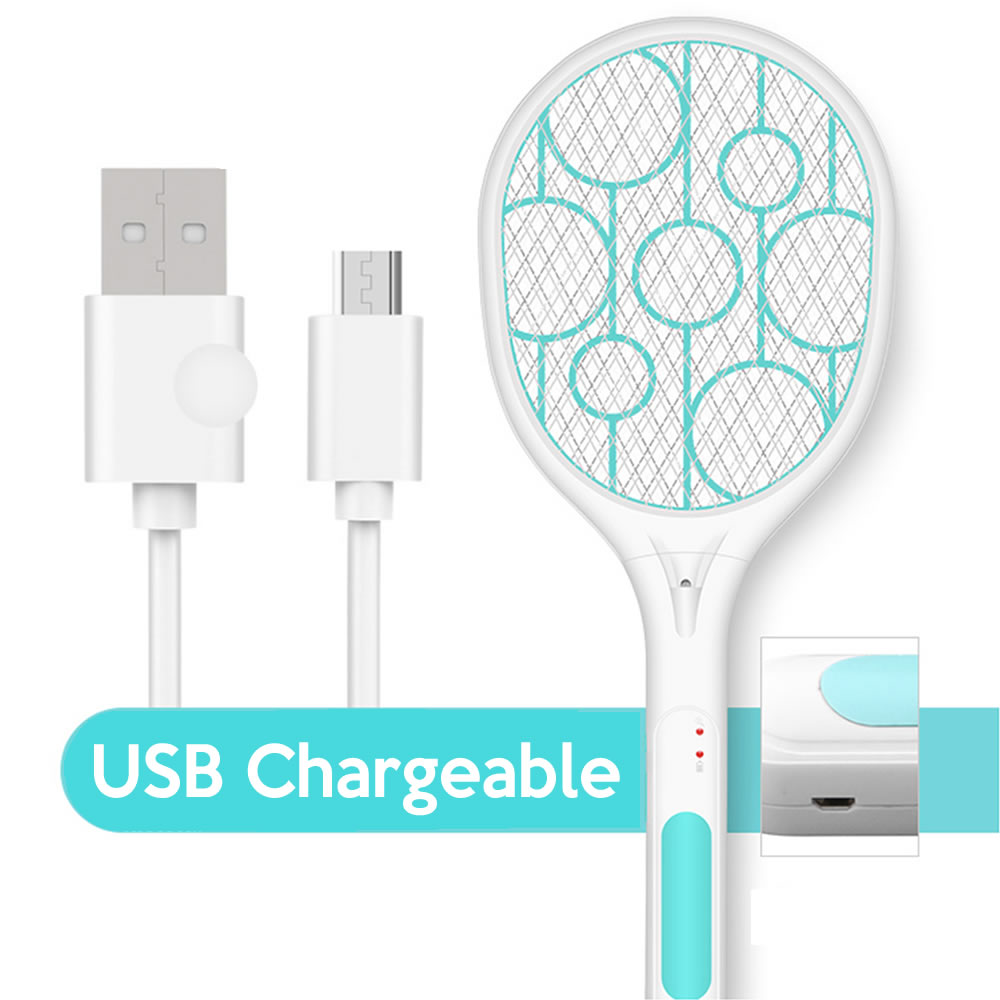
The fly zapper also features a USB charging outlet so you can easily charge up the racquet for whenever you need it.
Enjoy peace of mind and a bug-free home with the Bug Zapping Racket.

DUE TO CURRENT DEMAND PLEASE ALLOW 5-7 DAYS DELIVERY
Direct To Your Door - All Across The UK

Safe
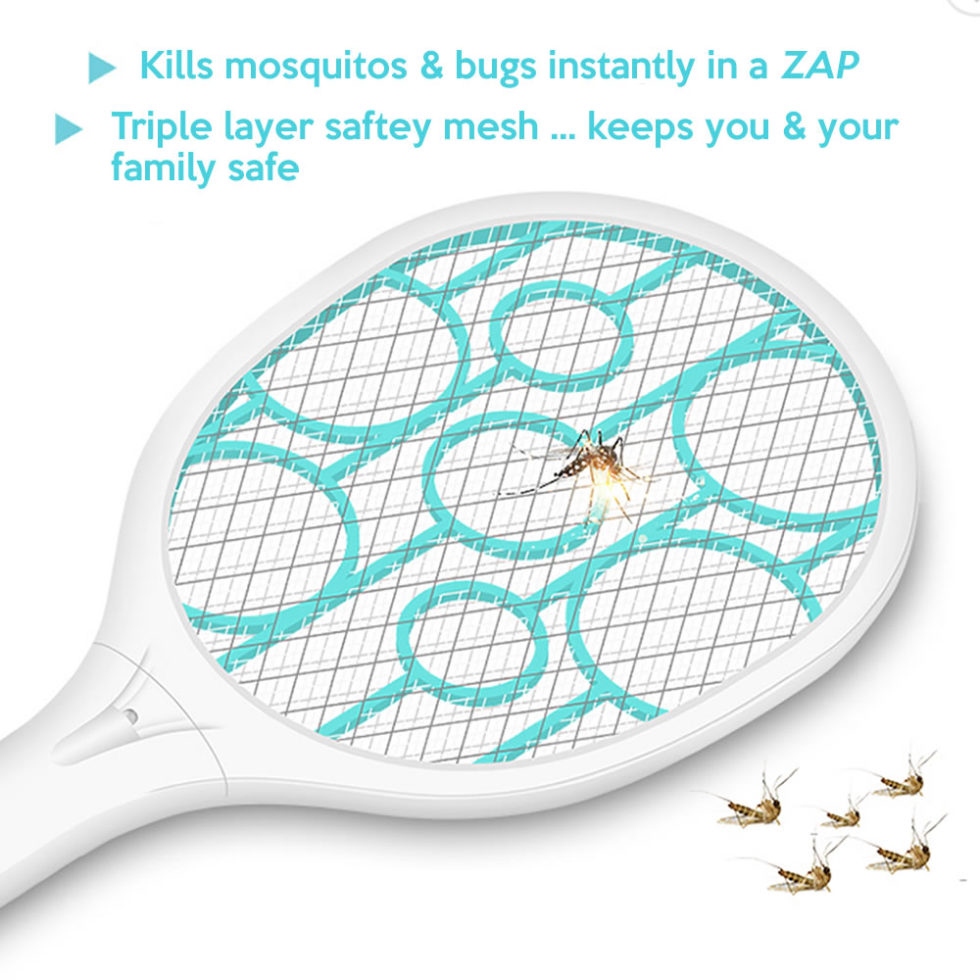
The protective grids on both sides of the handheld files killer , not only protect the middle electric mesh from being damaged, but mainly prevent people from being shocked when usingLED Lighting System
Built-in LED bulb not only can help you find and attract the mosquito but also light your road in need. The other LED bulbs as an indicator show if the fly swatter racquet is working normally and charged fullyBuilt-in Li-battery charged by USB
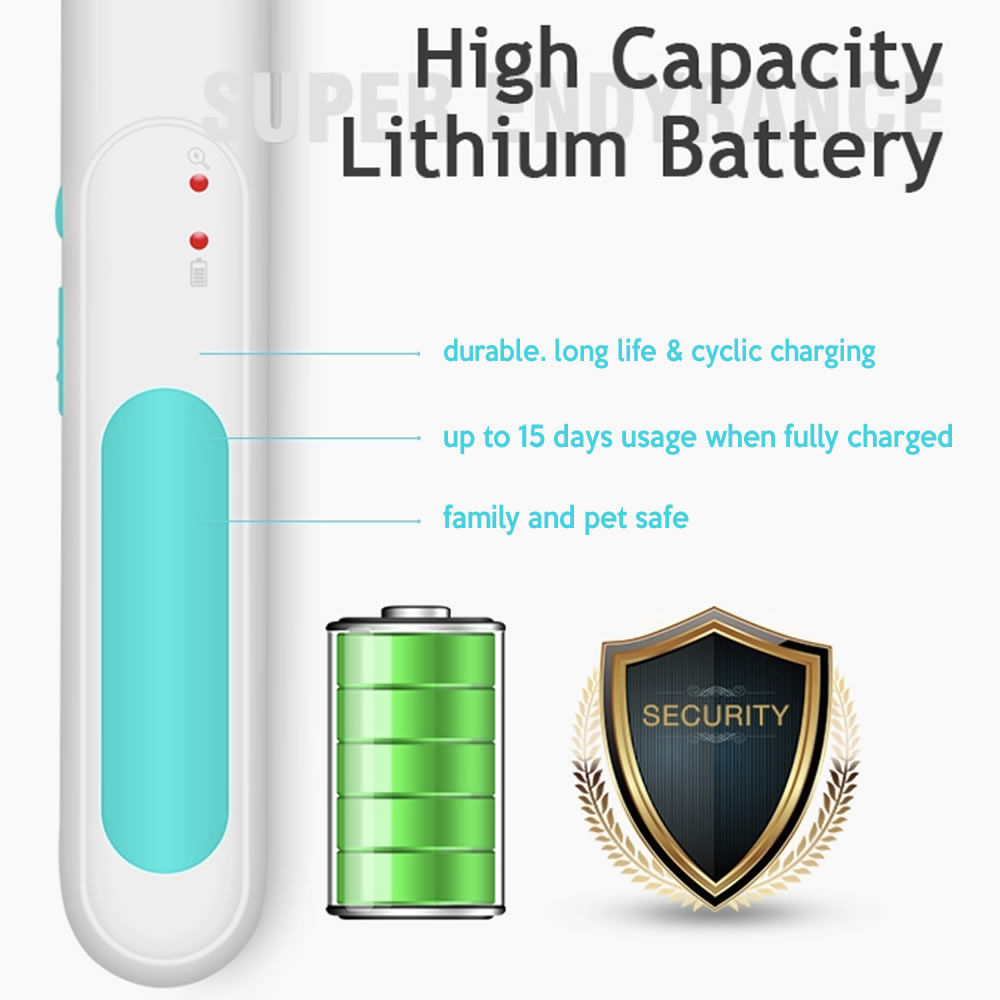
The built-in 18650 Li-battery with 1,000mAh capacity supports a long time continuous use after one time full charging for the electronic fly zapper. USB charging makes it convenient to be recharged, whenever and wherever and never worry about the safety any moreQuality Guarantee
Brand new ABS materials make the zapper swatter bright and look shiny. The firm frame makes it not easy to collapse thus provides services for a long time.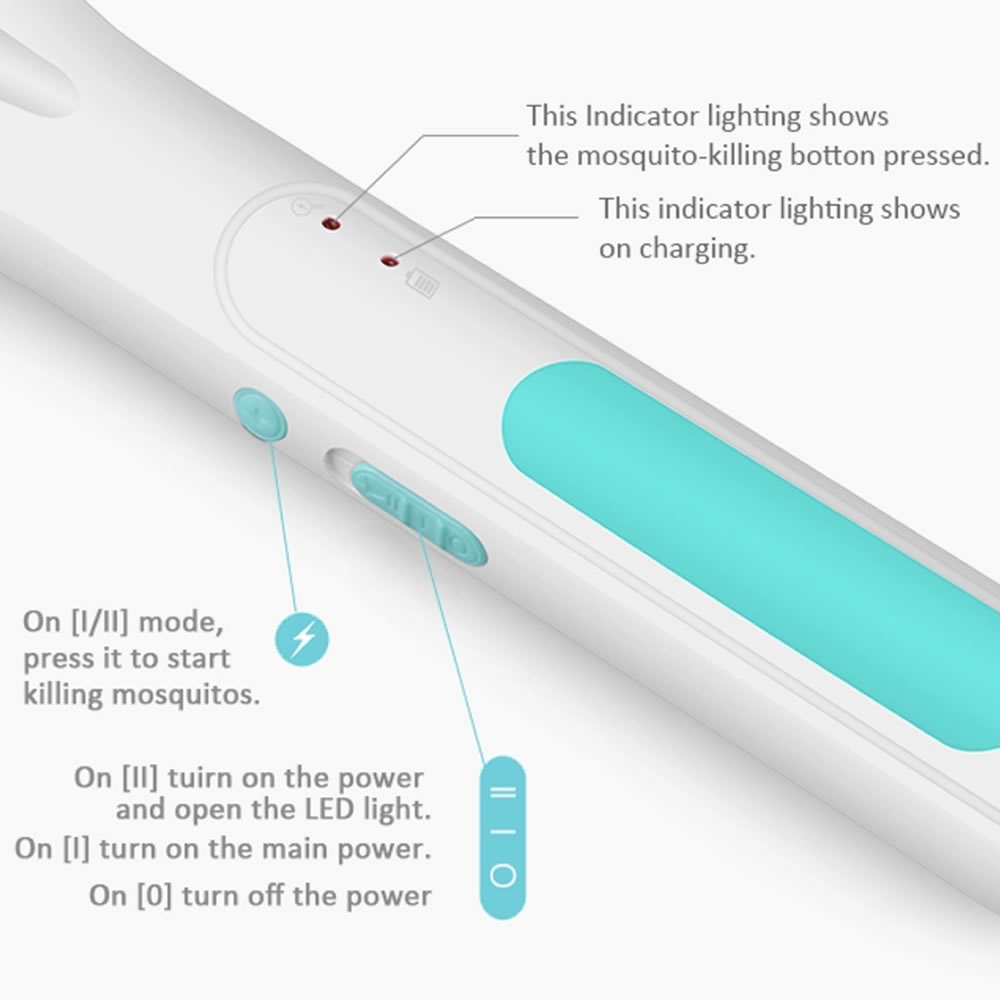

Electric Mosquito Zapper Guide: Everything About Electronic Bug Zappers and Mozzie Zappers
Electric mosquito zappers represent popular solutions for controlling flying insects including mosquitoes, flies, moths, and other pests attracted to light. These devices use ultraviolet light to lure insects toward electrified grids that eliminate them instantly through high-voltage electric shock, creating audible zapping sounds that signal successful insect elimination. The appeal lies in chemical-free operation, automated continuous protection, and the satisfaction of visible results as zappers eliminate insects throughout evenings and nights when flying pest activity peaks.Understanding how electric bug zappers work, what makes certain models more effective than others, proper placement strategies maximizing elimination rates, and realistic expectations about what zappers can and cannot achieve helps you select and use these devices effectively. While zappers excel in certain applications and provide genuine value when used appropriately, they also face limitations and controversies worth understanding before investing in zapper solutions for your specific insect control needs and expectations.
Understanding Electric Mosquito Zapper Technology
Electric mosquito zappers combine insect attraction mechanisms with elimination systems creating automated pest control devices requiring minimal user intervention once installed and activated. The fundamental technology relies on exploiting insect attraction to specific light wavelengths, particularly ultraviolet light that many flying insects perceive and navigate toward instinctively during nocturnal activity periods.The elimination mechanism uses electrified metal grids surrounding light sources creating high-voltage barriers that electrocute insects upon contact. When attracted insects fly toward light sources, they inevitably contact the charged grids positioned between them and the light, completing electrical circuits through their bodies and receiving lethal shocks that eliminate them instantly.
How UV Light Attracts Insects
Many flying insect species including moths, beetles, and some mosquito species navigate using natural light sources including moon and stars. Artificial ultraviolet light sources disrupt this navigation, attracting insects who perceive UV wavelengths invisible to human eyes. The insects mistake artificial UV sources for natural navigation references, flying toward lights in behaviors scientists call positive phototaxis.Quality zappers use specific UV wavelengths research has identified as most attractive to target insect species, optimizing attraction rates compared to standard white light or inappropriate UV wavelengths that attract fewer insects or wrong species.
The Electric Grid System
The killing mechanism uses metal wire grids charged with high voltage, typically ranging from 1,500 to 4,000 volts depending on zapper size and design. The grids consist of closely-spaced parallel wires creating barriers insects must contact when approaching light sources positioned behind or within grid structures.When insects touch two adjacent wires simultaneously, they complete electrical circuits allowing current to flow through their bodies. The high voltage overcomes insect body resistance, delivering lethal shocks that kill instantly. Dead insects typically fall into collection trays positioned beneath grids for periodic disposal.
Power Sources and Operation
Electric zappers operate using various power sources including standard electrical outlets for permanent installations, rechargeable batteries for portable units, or solar panels for outdoor applications where electrical access is impractical. Continuous operation throughout evening and night hours when insect activity peaks provides maximum effectiveness.Types of Electric Bug Zappers
Mosquito and bug zapper designs vary considerably serving different applications, environments, and coverage requirements.Indoor Electric Zappers
Indoor zappers designed for home use typically feature compact designs, quieter operation, and aesthetics suitable for interior spaces. These units protect living areas, bedrooms, kitchens, or other indoor spaces from flies, mosquitoes, and other flying insects that enter homes despite screens or other barriers.Indoor models often incorporate safety features including protective outer cages preventing accidental contact with electrified grids, particularly important in households with children or pets.
Outdoor Mosquito Zappers
Outdoor zappers built for patios, decks, yards, or commercial outdoor spaces feature weatherproof construction withstanding rain, humidity, and temperature extremes. These larger units typically provide greater coverage areas and higher power outputs appropriate for outdoor environments where insect populations and activity levels exceed indoor challenges.Outdoor designs often include hanging hooks or mounting hardware facilitating installation in optimal positions around outdoor living or entertainment areas.
Portable and Handheld Zappers
Battery-powered portable zappers offer flexibility for camping, picnics, travel, or moving between locations as needed. Compact designs prioritize portability over coverage area, providing localized protection in immediate vicinity rather than whole-area coverage larger stationary units deliver.Some handheld designs resemble tennis rackets, allowing users to actively swat flying insects that contact electrified mesh surfaces, combining passive attraction with active hunting capabilities.
Commercial and Industrial Zappers
Heavy-duty zappers designed for restaurants, food processing facilities, warehouses, or agricultural operations feature robust construction, high power outputs, large coverage areas, and designs meeting commercial hygiene and safety standards. These professional units withstand intensive continuous operation in demanding commercial environments.Combination Units with Additional Features
Advanced zappers incorporate supplementary features including fans creating air currents drawing insects toward grids more effectively, attractant chemicals or scents enhancing lure effectiveness beyond light alone, or combination systems using multiple attraction and elimination methods creating comprehensive pest control solutions.Effectiveness and Limitations
Understanding what electric zappers can and cannot achieve prevents disappointment and informs appropriate application and realistic expectations.Insects Effectively Controlled
Electric zappers excel at eliminating light-attracted insects including moths, beetles, flying ants, and various fly species strongly attracted to UV light. These insects readily approach zappers making elimination straightforward and effective, with quality units killing hundreds or thousands of insects nightly in areas with significant pest pressure.The Mosquito Question
Controversy surrounds zapper effectiveness against mosquitoes specifically. Research suggests mosquitoes are less attracted to UV light than many other flying insects, relying more heavily on carbon dioxide, heat, and chemical attractants to locate blood meal hosts. Standard UV-only zappers may kill some mosquitoes but often eliminate more beneficial insects than actual mosquitoes.Specialized mosquito zappers incorporating CO2 generators, octenol attractants, or other mosquito-specific lures demonstrate better mosquito capture rates than simple UV light zappers, though debate continues regarding overall effectiveness compared to alternative mosquito control methods.
Beneficial Insect Concerns
Environmental advocates note that zappers indiscriminately kill any light-attracted insects including beneficial species like pollinators, predatory insects controlling pest populations, and harmless species causing no problems. The insects killed may include more beneficial or neutral species than actual pests, potentially disrupting local ecosystems.Coverage Area Realities
Manufacturer coverage claims often exceed realistic effective ranges. While powerful zappers may attract insects from considerable distances, effective protection typically extends only to limited areas around units. Multiple zappers may be required for comprehensive coverage of large outdoor spaces.Selecting Appropriate Electric Zappers
Choosing suitable zappers involves evaluating factors ensuring selected units match specific needs and applications.Assessing Coverage Requirements
Consider the area requiring protection when selecting zapper capacity. Small indoor rooms succeed with compact low-wattage units, while large outdoor patios or commercial spaces require powerful models with extensive coverage capabilities. Manufacturer specifications provide guidance, though real-world performance may vary from advertised claims.Indoor Versus Outdoor Application
Match zappers to intended environments. Indoor units prioritize quiet operation and appropriate aesthetics over maximum power. Outdoor models emphasize weatherproof construction and higher outputs appropriate for exterior applications. Using indoor zappers outdoors risks weather damage, while outdoor units may prove too loud or unattractive for interior spaces.Power Source Considerations
Electrical outlet access favors plug-in models providing continuous reliable operation. Locations lacking electricity require battery-powered or solar options accepting the limitations these power sources impose including periodic battery replacement or performance variation with solar charging conditions.Safety Features
Households with children or pets benefit from zappers with protective cages preventing accidental contact with electrified grids. Commercial applications may require specific safety certifications or features meeting regulatory requirements.Noise Tolerance
The characteristic zapping sound satisfies some users as confirmation of effective operation but annoys others, particularly during quiet evening relaxation or sleep. Consider noise tolerance when selecting zappers for bedroom or peaceful outdoor retreat applications.Maintenance Accessibility
Easy access to collection trays and cleanable grids simplifies maintenance essential for continued effective operation. Complex disassembly requirements or difficult cleaning access discourages necessary upkeep potentially compromising long-term performance.Optimal Placement Strategies
Strategic zapper positioning significantly affects effectiveness, with proper placement dramatically improving insect elimination rates.Height and Position
Most flying insects including mosquitoes typically fly at heights between three and six feet above ground level. Positioning zappers within this height range maximizes interception of flying insects at altitudes they naturally occupy during flight.Distance from Protected Areas
Counterintuitively, positioning zappers away from areas you want to protect often works better than placing them immediately adjacent to protected spaces. Zappers attract insects from surrounding areas, so positioning units 15 to 25 feet from patios or outdoor seating draws insects away from people rather than concentrating them near protected areas before elimination occurs.Avoiding Light Competition
Other light sources compete with zapper UV lights for insect attention. Position zappers away from porch lights, street lights, or other bright illumination that might attract insects more strongly than zapper lights, reducing zapper effectiveness. Alternatively, turn off competing lights during peak zapper operation times.Protection from Weather Elements
Even weatherproof outdoor zappers benefit from some weather protection extending equipment life and maintaining optimal performance. Position under eaves, awnings, or covered areas when practical, though ensuring adequate exposure allowing insects to locate and approach units.Multiple Unit Placement
Large areas benefit from multiple zappers positioned strategically creating overlapping coverage zones. Space units accounting for coverage specifications while avoiding excessive concentration creating gaps in protected areas.Safety Considerations
Electric zappers operating at high voltages require appropriate safety awareness and precautions.Electrical Shock Hazards
The high-voltage grids pose shock risks if contacted during operation. Quality zappers incorporate protective cages or housings preventing accidental grid contact, but users should never attempt cleaning or maintenance while units remain powered on. Always disconnect power before any maintenance or grid access.Child and Pet Safety
Position zappers out of reach of young children and curious pets who might attempt touching or investigating units. Protective cages provide some protection but proper positioning prevents access attempts entirely, eliminating risk rather than merely reducing it.Fire Safety in Dry Environments
In extremely dry conditions or areas with flammable materials, falling burning insect debris theoretically poses minor fire risks. This remains rare but suggests avoiding zapper operation immediately near dry vegetation, paper products, or other highly flammable materials in very dry environments.Outdoor Electrical Safety
Outdoor electrical zapper use should employ weatherproof outlets, GFCI protection preventing shock from water exposure, and proper cord management keeping connections dry and protected from physical damage.Maintenance and Care
Regular maintenance preserves zapper effectiveness and extends equipment lifespan.Cleaning Collection Trays
Dead insect accumulation in collection trays requires periodic disposal. Frequency depends on insect elimination rates, with high-use zappers potentially requiring daily or weekly tray cleaning while low-use units may need only monthly attention. Full trays may reduce effectiveness or create unpleasant odors.Grid Cleaning
Insect debris accumulating on grids reduces effectiveness by insulating wires and preventing proper electrical contact with approaching insects. Periodic grid cleaning using soft brushes removes debris restoring full electrical function. Always disconnect power before grid cleaning.Bulb Replacement
UV bulbs gradually lose effectiveness over time even when continuing to emit visible light. Replace bulbs according to manufacturer recommendations, typically annually, ensuring continued optimal UV output attracting insects effectively.Weather Protection and Storage
While outdoor zappers withstand weather, extended equipment life results from bringing units indoors during off-season or protecting them from extreme weather when practical. Store in dry locations during winter or extended non-use periods.Comparing Zappers to Alternative Methods
Understanding how electric zappers compare to other mosquito and insect control helps determine optimal solutions for specific situations.Zappers Versus Chemical Sprays
Chemical insecticides provide broader spectrum control and may offer more comprehensive mosquito reduction, but introduce chemicals into environments where many prefer avoiding pesticide exposure. Zappers provide chemical-free alternatives though potentially with less effective mosquito control specifically.Zappers Versus Mosquito Traps
CO2 mosquito traps specifically designed for mosquito capture often outperform standard zappers for mosquito control, though costing significantly more and requiring ongoing CO2 cartridge or tank expenses. Zappers offer broader insect control at lower operational costs.Zappers Versus Screens and Barriers
Physical barriers including screens prevent insect entry more comprehensively than zappers eliminate outdoor insects, but screens require installation and may not suit all applications. Zappers complement rather than replace barrier methods.Zappers Versus Repellents
Personal repellents protect individuals from mosquito bites but require application and may involve chemical exposure. Zappers provide area protection without individual application though effectiveness varies with proper positioning and insect species.Environmental and Ecological Considerations
Zapper use involves environmental impacts worth considering.Beneficial Insect Impact
The indiscriminate nature of zapper elimination affects beneficial insects including pollinators, predatory species controlling pest populations, and harmless species. Some environmentalists advocate avoiding zappers due to negative ecosystem impacts from beneficial insect mortality.Energy Consumption
Electric zappers consume power continuously during operation. While individual unit consumption remains modest, collective energy use across many zappers contributes to electrical demand. Solar-powered alternatives reduce grid electrical consumption.Noise Pollution
The zapping sounds during insect elimination create noise some consider pollution in otherwise quiet natural environments, potentially disturbing wildlife and affecting ecosystem soundscapes.Advanced Features in Modern Zappers
Technological improvements continue enhancing electric zapper capabilities and convenience.Smart Controls and Timers
Modern zappers may incorporate timers allowing programmed operation during peak insect activity hours, motion sensors activating units only when people occupy protected areas, or smartphone connectivity enabling remote monitoring and control.Enhanced Attractant Systems
Advanced models supplement UV light with chemical attractants, CO2 generation, or heat emission creating multi-sensory lures appealing to broader insect ranges including mosquitoes less attracted to light alone.Self-Cleaning Mechanisms
Some premium zappers incorporate automatic cleaning systems periodically clearing grids of debris, reducing manual maintenance requirements and ensuring consistent performance without frequent user intervention.Integrated Monitoring
Commercial zappers may include insect counting capabilities providing data on elimination rates, helping businesses track pest pressure trends and evaluate control program effectiveness.Troubleshooting Common Zapper Problems
Understanding typical issues helps maintain effective zapper operation.Reduced Attraction and Elimination
Declining insect catches may indicate aging UV bulbs requiring replacement, dirty grids reducing electrical effectiveness, or competition from other light sources. Address through bulb replacement, grid cleaning, or eliminating competing lights.No Zapping Sound
Absence of characteristic zapping indicates possible electrical problems including disconnected wiring, failed transformers, or grid damage. Inspect for obvious damage and consult manufacturers or qualified repair services for electrical issues.Continuous Arcing or Sparking
Excessive arcing suggests possible grid contamination with conductive debris, damaged wire insulation, or moisture intrusion causing electrical shorts. Clean grids thoroughly and ensure units remain dry during operation.Physical Damage
Dropped units, weather damage, or impact from objects may damage protective cages, housings, or internal components. Inspect for cracks, bent components, or other damage that might compromise safety or effectiveness.Commercial and Professional Applications
Businesses use electric zappers as components of comprehensive pest management programs.Food Service Industry
Restaurants, commercial kitchens, and food processing facilities use zappers controlling flying insects in food preparation and service areas. Health codes may require or restrict specific zapper types or placements.Agricultural and Livestock Operations
Farms use high-capacity zappers reducing insect pressure in barns, milking facilities, or other agricultural buildings where fly and mosquito populations affect animal health and productivity.Hospitality and Recreation
Hotels, resorts, campgrounds, and outdoor recreation facilities deploy zappers enhancing guest comfort by reducing flying insect annoyances in common areas and outdoor spaces.Compliance and Regulatory Considerations
Commercial applications must ensure zappers meet relevant health department requirements, electrical codes, and industry standards. Some jurisdictions regulate zapper types, placements, or operational parameters in commercial settings.DIY and Alternative Zapper Solutions
Creative approaches create homemade or modified zapper solutions, though with caveats.Homemade Zapper Construction
Some individuals build zappers using UV lights, high-voltage transformers, and metal screening. However, working with high voltage poses serious safety risks for inexperienced builders. Homemade zappers may lack safety features commercial units provide and pose fire or electrical hazards if improperly constructed.Modification of Existing Zappers
Some users modify commercial zappers adding attractants, changing bulbs, or incorporating supplementary features. Modifications may void warranties and create safety issues if electrical systems are altered improperly.Safety Warnings
DIY zapper projects involve significant electrical shock and fire hazards. Unless you possess genuine electrical expertise and understand high-voltage safety, purchasing commercial zappers with proper safety testing and certifications proves far safer than attempting homemade construction.The Role of Zappers in Integrated Pest Management
Electric zappers work best as components of comprehensive pest control strategies rather than standalone solutions.Combining Methods
Effective insect control often requires multiple approaches including eliminating standing water breeding mosquitoes, using screens preventing indoor entry, applying appropriate repellents when necessary, and deploying zappers reducing outdoor insect populations in specific areas.Monitoring and Adjusting
Track zapper effectiveness through insect counts in collection trays, noting elimination patterns helping optimize placement, timing, and overall pest management strategies based on actual results rather than assumptions.Professional Guidance
Severe pest problems may benefit from professional pest management consultation identifying optimal control strategies potentially including zappers alongside other methods tailored to specific situations and insect species.Automated Protection with Limitations
Electric mosquito zappers provide automated, chemical-free insect control that appeals to many homeowners and businesses seeking convenient pest reduction without constant manual intervention or chemical applications. The visible and audible confirmation of insect elimination creates satisfaction that passive control methods cannot match, while the technology serves genuine roles in comprehensive pest management when used appropriately with realistic expectations.Success with electric zappers requires understanding both capabilities and limitations, selecting appropriate units for specific applications, implementing strategic placement maximizing effectiveness, maintaining equipment ensuring continued optimal performance, and recognizing that zappers represent tools within broader pest management approaches rather than complete solutions eliminating all flying insect challenges.
The controversy surrounding mosquito-specific effectiveness and environmental concerns about beneficial insect mortality deserve consideration when deciding whether zappers suit your values and priorities. For some applications and users, zappers provide excellent value and performance. For others, alternative approaches may better align with effectiveness requirements, environmental ethics, or specific pest challenges.
Whether protecting outdoor entertaining areas from annoying flying insects, reducing pest pressure in commercial food service operations, supplementing comprehensive mosquito control programs, or simply enjoying the satisfaction of eliminating insects attracted to your property, electric bug zappers offer accessible, proven technology that continues serving millions of users worldwide despite ongoing debates about optimal applications and effectiveness against specific pest species.
Your perfect zapper solution depends on matching technology capabilities to actual needs, implementing proper placement strategies, maintaining realistic expectations about what automated electrical elimination can achieve, and integrating zappers thoughtfully into overall pest management approaches that protect your family, customers, or operations from the annoyance and health threats that flying insects pose when left uncontrolled in spaces where people live, work, and gather.
What is an electric mosquito swatter?
An electric mosquito swatter, also known as an electric bug zapper or bug swatter with batteries, is a handheld device that uses electric current to kill flying insects, such as mosquitoes, flies, and gnats. It is designed to provide a convenient and effective way to eliminate bugs.How does an electric bug zapper work?
An electric bug zapper works by using an electric grid or mesh that emits a high-voltage current when activated. When a flying insect comes into contact with the grid while the swatter is swung or pressed against it, it gets electrocuted, effectively killing the insect.Are electric mosquito swatters safe to use?
Electric mosquito swatters are generally safe to use when used properly. However, it's essential to follow the manufacturer's instructions and exercise caution when handling the device, especially around children and pets. Avoid touching the grid while the swatter is activated.Can I use an electric bug zapper indoors?
Yes, electric bug zappers can be used both indoors and outdoors, depending on the model. Some swatters are designed specifically for indoor use, while others are suitable for both indoor and outdoor environments. It's important to check the product specifications and usage guidelines.How effective are electric mosquito swatters?
Electric mosquito swatters can be highly effective in eliminating flying insects when used correctly. They offer a hands-on approach, allowing you to target and kill bugs in real-time. However, their effectiveness may vary depending on factors such as insect species, swatter design, and user technique.Do electric bug swatters require batteries?
Yes, most electric bug swatters require batteries to operate. The specific battery type and quantity vary depending on the model. It's important to ensure that the batteries are properly inserted and have enough charge for optimal performance.Can I use an electric mosquito swatter on other pests besides mosquitoes?
While electric mosquito swatters are primarily designed to target mosquitoes, they can also be effective against other flying insects like flies and gnats. However, they may not be as effective against crawling insects or larger pests.Can I use an electric bug zapper near water or in wet conditions?
No, it is not recommended to use an electric bug zapper near water or in wet conditions. Water can conduct electricity and pose a safety hazard. It's important to keep the swatter dry and avoid using it in rainy or damp environments.How do I clean an electric mosquito swatter?
To clean an electric mosquito swatter, ensure that the device is turned off and remove the batteries if applicable. Use a soft cloth or brush to gently wipe away any debris or insect remains from the grid. Avoid using water or cleaning solutions on the swatter.Can electric bug swatters be used by children?
Electric bug swatters should be used by responsible adults or under adult supervision. They are not toys and should be kept out of reach of children. It's important to prioritize safety and educate children about the potential dangers of the device.Electric mosquito swatters, electric bug zappers, and bug swatters with batteries offer a convenient and effective solution for eliminating flying insects. With their easy-to-use design and portability, they provide an alternative to traditional insect repellents. Remember to use the device responsibly and follow the safety guidelines provided by the manufacturer.